
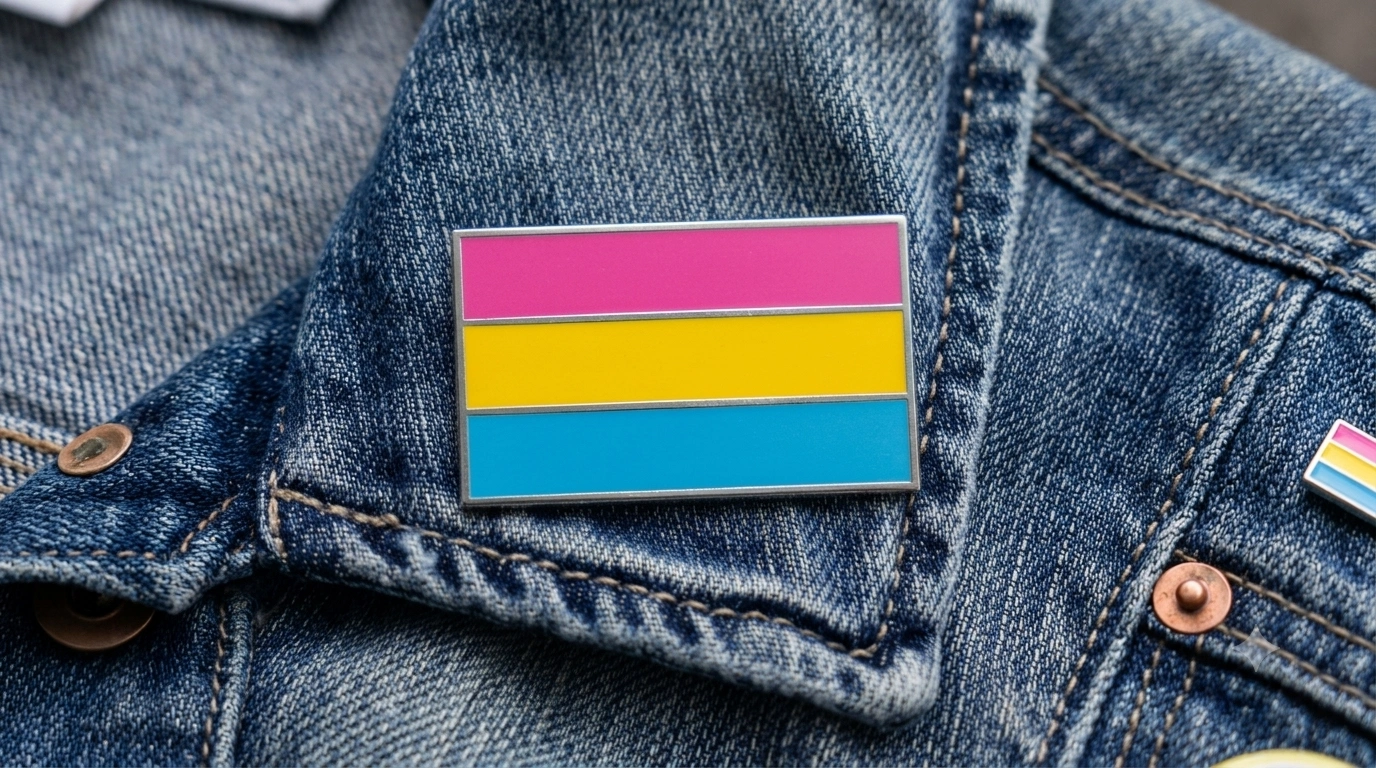
In the recent decade, the emergence of psychological conversations around sexual orientation has become more open, more in-depth, more nuanced, and overall more visible in mainstream culture. In between them, the term that often comes up and is still widely misunderstood is pansexual. Especially if you have searched "what is pansexual", you might not be any different. Because of these terms, even Google searches have been continuously growing steadily, especially because more people are exploring identities to understand the people around them in a better way.
Basically, the word 'pansexual' means experiencing romantic, emotional, or sexual attraction to people beyond any gender identity. It doesn’t mean attraction towards the same or opposite gender. It means attraction to any gender.
What Is Pansexual? Understanding the Basic Difference from Homosexual and Heterosexual
With a brief comparison through basic definitions, it can be easy to understand the term, especially from different perspectives.
- Heterosexual (straight):They have an attraction to people of a different gender (e.g., a man attracted to women or a woman attracted to men). Therefore, also called straight.
- Homosexual:They are also called gay if men and lesbian if women, and they have attraction to people of the same gender. Like men to men and women to women.
- Bisexual: They have attraction to more than one gender. However, these terms are often described as attraction to both men and women.
- Pansexual:Apart from all the above, a person with a pansexual nature has attraction beyond gender. Because a pansexual person may be attracted to men, women, non-binary people, transgender people, or anyone else. They are not confined to gender, and it is not a deciding factor.
Reasons or Primary Factors Behind Sexual Orientation
A common question emerges in the mind while thinking or exploring these factors: what can be the cause of becoming pansexual? And, chronologically, it's important to start with a key point, especially one that researchers and psychologists widely agree on: sexual orientation is not any kind of illness, a phase, or a choice; it's a natural part of human diversity, similar to being straight or gay, depending on enormous factors. However, multiple reasons have been discussed, but chronologically, the researchers came to the conclusion that there are still no certain reasons. Some specific topics discussed can be as follows.
- Biological and genetic factors:Some research suggests that genetics and prenatal biological development may influence sexual orientation, like findings for other orientations.
- Psychological development: It can also be a factor, especially how a person has experienced emotional and romantic connections over time, because it can be the factor in how they understand their own attraction.
- Social and cultural openness:With social factors, it can become more accepting and informed about diverse identities. Therefore, depending on social behaviour, more people feel safe naming and exploring how they actually feel, rather than fitting into a narrower predefined box.
- Personal experience and self-reflection:Most people, especially pansexual people, start realising their orientation gradually, especially based on their inner psychological changes. However, exactly what it is can’t be claimed.
Basic Indications: Signs Someone May Identify as Pansexual
Although there are no certain reasons for determining orientation, people who identify as pansexual often describe a few common experiences:
- It can be based on attraction to the person, not their gender. Gender identity doesn’t affect whether someone is romantically or sexually interested in another person.
- Based on openness across the gender spectrum, it includes attraction to cisgender, transgender, non-binary, and gender-nonconforming individuals.
- It basically emphasises emotional or personal connection; many pansexual individuals describe being drawn first to personality, humour, values, or emotional compatibility.
- A sense that traditional labels don't quite fit. Some pansexual people report feeling like "bisexual" or "straight/gay" didn't fully capture their experience before they learned the term "pansexual".
- Consistent pattern over time, not a single instance of attraction to someone outside expectations.
Pansexual Relationships: What They Actually Look Like
A pansexual relationship can be said to be fundamentally different from any other relationship. Because it still relies on communication, trust, respect, and shared values. The key difference is simply that a pansexual person's partner could be of any gender identity. In practice, this means:
- Their compatibility is judged by emotional connection and shared values, not gender.
- Pansexual people may have partners across a wide range of gender identities over their lifetime, or they may have one long-term partner; orientation doesn't dictate relationship structure or monogamy.
- Like anyone else, pansexual individuals can be in monogamous or non-monogamous relationships; pansexuality describes attraction, not relationship style.
Conclusion
So, for the question of what 'pansexual' is, it can be defined in simple terms, i.e., it’s an orientation defined by attraction to people as individuals, where their attraction and psychological nature are not confined or limited by gender identity. Unlike heterosexuality or homosexuality, which are defined in relation to gender, pansexuality removes gender from the equation altogether. There's no single "cause" behind it, just as there isn't for any sexual orientation. It's a natural variation in how humans experience attraction and connection. Based on the aforesaid explanation, you can easily understand. However, you might have different explanations, but the basic things are almost the same as discussed above.