
Generally, sexual orientation and gender identity look like similar terms, and often people get confused between the two terms. But they have different meanings. Where sexual orientation is related to one's personal desire, especially the physical attraction and emotions for someone else, whether for the opposite gender or the same. And, on the other side, gender identity is the term used for the identification, especially of gender. Therefore, both are different things and can be understood explicitly with a certain example. So, let’s understand what sexual orientation is and what gender identity is through this article.
What Is Sexual Orientation?
The word 'sexual orientation' has an explicit meaning which is subject to a personal, emotional, romantic, or sexual attraction towards another person or particularly for any specific gender. It describes a person’s attraction for any particular gender, different, opposite, etc., and it does not say or identify their gender. It can be for similar, opposite, or neither. Generally, it has been observed that sexual orientation can remain stable throughout life. But in some cases, it may change or become clearer over time.
Some common types of sexual orientation are as follows:
- HeterosexualPeople who are romantically and/or sexually attracted to people of a different gender than their own. For example, a man attracted to women or a woman attracted to men.
- Homosexual (Gay or Lesbian)People who are romantically and/or sexually attracted to people of the same gender. "Gay" is commonly used for men attracted to men but can also be used broadly, while "lesbian" refers to women attracted to women.
- BisexualPeople who are romantically and/or sexually attracted to more than one gender. This does not necessarily mean attraction is equal or experienced in the same way toward all genders.
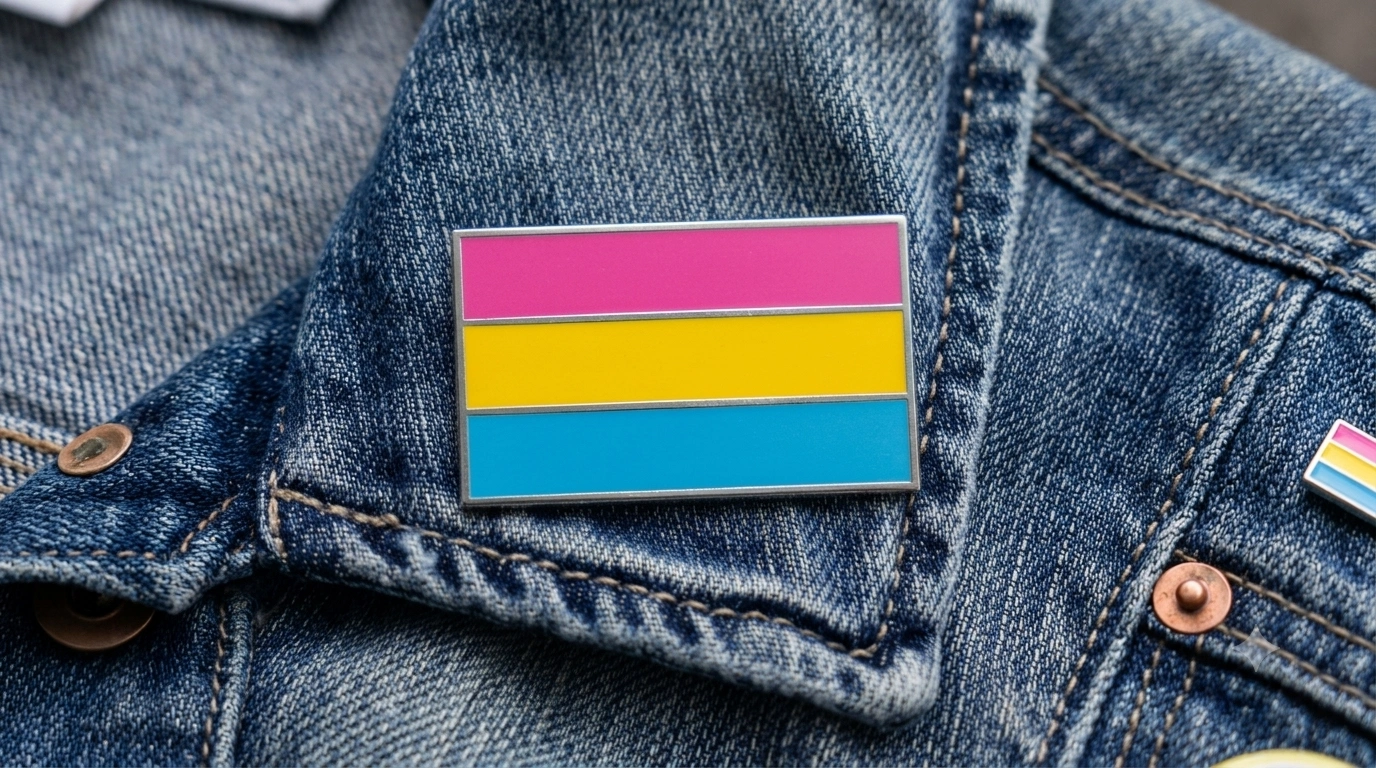
- PansexualPeople who are romantically and/or sexually attracted to others regardless of their gender identity or gender expression.
- AsexualPeople who experience little or no sexual attraction to others. Some asexual people may still experience romantic attraction and desire close emotional or romantic relationships.
- QueerA broad, inclusive term that some people use to describe their sexual orientation, gender identity, or both, particularly when they do not identify with traditional labels. Some individuals also use "queer" as an umbrella term for identities within the LGBTQIA+ community.
What is meant by 'sexual orientation' for men?
While discussing sexual orientation for men, there are similar concepts, especially as it refers to the particular gender or genders that a man is emotionally, romantically, or sexually attracted to. And it can be described and can be clearer with an example like this.
- If a man is attracted to women only, he is identified as heterosexual.
- If a man is attracted to men, i.e., can be identified as gay.
- A man who is attracted to both genders, i.e., men and women, may be identified as bisexual.
- A man attracted to people regardless of gender may identify as pansexual.
- A man who experiences little or no sexual attraction may identify as asexual.
What Is Gender Identity: An Introduction?
The section above explains sexual orientation, which refers to the pattern of a person's romantic and/or sexual attraction toward others. In simple terms, it describes who someone is attracted to.
Gender identity, on the other hand, is different. It refers to who someone knows themselves to be. It is a person's deeply held, internal sense of their own gender, which may be male, female, both, neither, or another gender altogether. This internal identity may or may not align with the sex they were assigned at birth.
Gender identity is shaped through a person's ongoing self-understanding and lived experiences. While some people identify with the gender assigned to them at birth, others may identify differently. There is no single way to experience or express gender, and every individual's journey is unique.
Some of the most common gender identities are described below
- CisgenderA person whose gender identity aligns with the sex they were assigned at birth. For example, someone assigned female at birth who identifies as a woman.
- TransgenderA person whose gender identity differs from the sex they were assigned at birth. For example, someone assigned male at birth who identifies as a woman, or vice versa.
- Non-binaryA person whose gender identity does not fit exclusively into the categories of male or female. Non-binary people may identify as both, neither, or somewhere along the gender spectrum.
- GenderfluidA person whose gender identity changes or shifts over time. These changes may occur over days, months, or years, and each person's experience is unique.
- AgenderA person who identifies as having no gender or who does not experience a strong sense of gender identity. Some agender individuals describe themselves as being gender-neutral or outside the concept of gender altogether.
Common Facts About Sexual Orientation and Gender Identity
Understanding the distinction between sexual orientation and gender identity helps create a more informed, respectful, and inclusive society. Here are some key facts everyone should know:
- They Are Different ConceptsSexual orientation and gender identity are not the same. Sexual orientation describes who a person is romantically and/or sexually attracted to, while gender identity describes how a person experiences and identifies their own gender.
- Everyone Has BothEvery person has a gender identity and a sexual orientation, regardless of how they identify. These are separate aspects of a person's identity and do not determine one another.
- They Are PersonalOnly an individual can define their own identity. People have the right to choose the words and labels that best reflect their experiences, and those choices should be respected.
- Respect Makes a DifferenceUsing a person's chosen name and pronouns and respecting how they identify helps create an environment where everyone feels seen, valued, and included.
- Gender and Sexual Diversity Have Always ExistedDiverse gender identities and sexual orientations are not new concepts. They have been documented across cultures and throughout history, even though the language used to describe them has evolved over time.
- Identity Cannot Be AssumedA person's appearance, clothing, behaviour, or mannerisms do not reveal their gender identity or sexual orientation. These aspects of identity cannot be determined simply by looking at someone.
- Everyone Deserves Equal RespectEvery individual deserves to be treated with dignity, fairness, and respect, regardless of their gender identity or sexual orientation. Promoting acceptance and inclusion benefits individuals, communities, and society as a whole.
Why Understanding These Terms Is Important
Understanding the difference between sexual orientation and gender identity is essential because they refer to two distinct aspects of a person's identity. While sexual orientation describes who someone is attracted to, gender identity reflects who they know themselves to be. Recognising this distinction helps foster empathy, respectful communication, and a better understanding of people's diverse experiences.
Greater awareness also plays an important role in reducing stereotypes, misinformation, prejudice, and discrimination. When people understand and use accurate, respectful terminology, they contribute to a more inclusive and accepting environment where everyone feels seen, valued, and respected.
Whether in schools, workplaces, healthcare settings, or everyday interactions, understanding these concepts promotes dignity, encourages meaningful inclusion, and helps create communities where people can express their identities without fear of judgment.
Conclusion
In today's diverse society, understanding the difference between sexual orientation and gender identity is essential for building a culture of respect, empathy, and inclusion. Sexual orientation refers to who a person is romantically and/or sexually attracted to, while gender identity describes a person's deeply held sense of their own gender. Although these are distinct aspects of identity, both are equally personal and deserve to be acknowledged and respected.
Every individual has the right to define their own identity without fear of judgment or discrimination. By educating ourselves, using respectful language, and recognising the diversity of human experiences, we can challenge stereotypes, reduce misinformation, and foster greater acceptance. Whether at home, in schools, workplaces, healthcare settings, or within our communities, treating everyone with dignity and respect helps create a society where every person feels safe, valued, and included.