

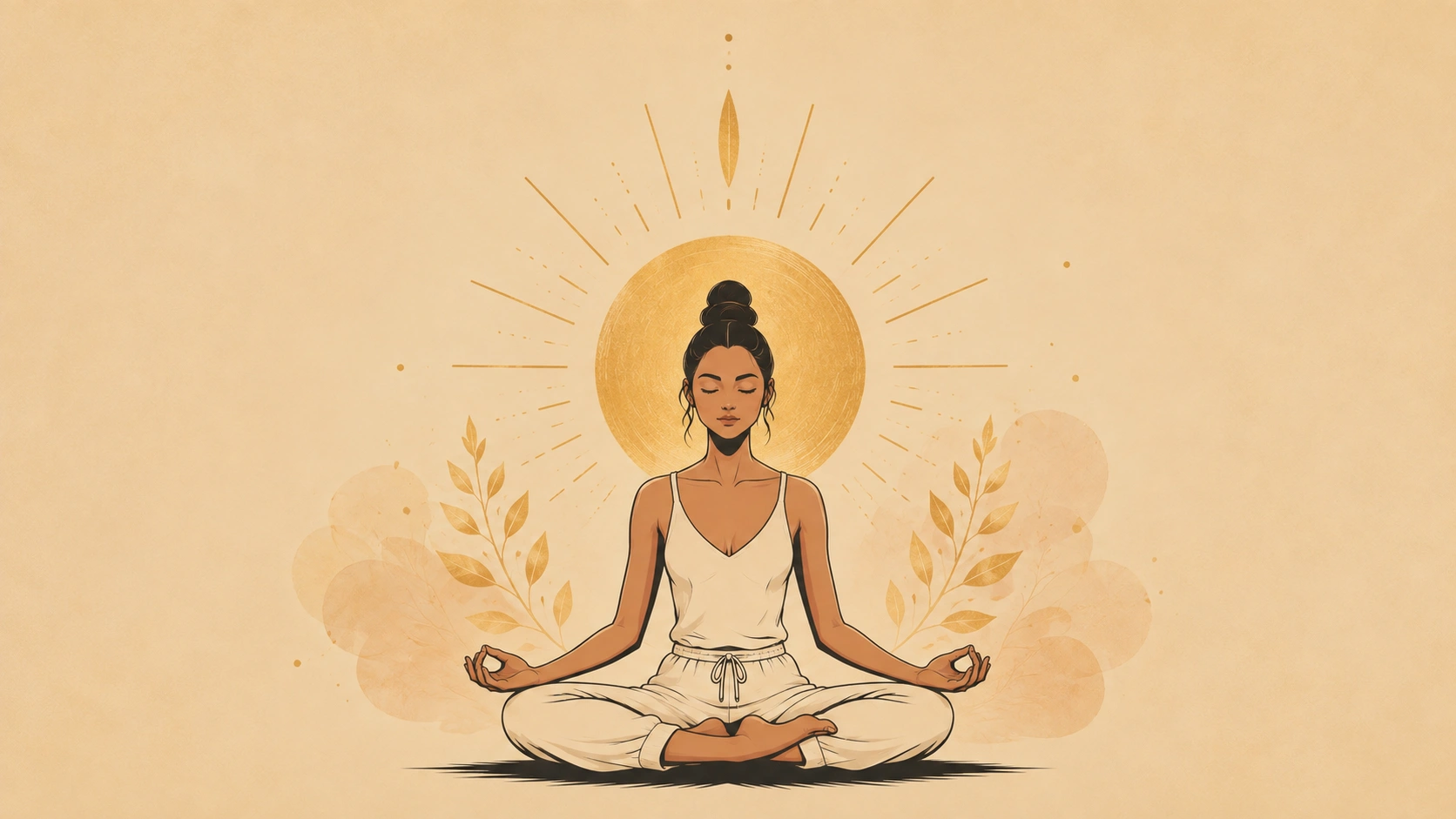
Yoga has been defined as conquering the internal nature, and it has been explained with different steps of yoga and its limbs. When it comes to discussing the benefits of yoga, it can help humans physically, emotionally and mentally. In yoga's eight limbs, which have been explained as internal and external, there are multiple yoga poses chart through which you can know it in detail. It is said that yoga for beginners must be done with keen instruction to ensure the specific benefits of yoga. So let’s understand this in detail.
The importance of Yoga and its beneficial features
Yoga is far more than a form of physical exercise. At its core, it is a holistic practice that begins with inner discipline and ethical living, often referred to as "inner engineering." By nurturing harmony between the mind, body, and emotions, yoga supports not only physical health but also mental and emotional wellbeing. Because of its comprehensive approach to wellness, practising yoga offers numerous benefits, including the following.
- It helps in improving physical fitness and flexibility along with mental peace.
- With precise practice, it strengthens muscles and joints.
- It supports better posture and balance by ensuring steadiness
- With calmness, it reduces stress and anxiety within you.
- With a continuous yogic practice, it improves concentration level and mental clarity.
- With yoga, one can have better sleep quality.
- It enhances breathing capacity with the practice of Pranayama
Tips for Yoga for Beginners
If you are a new practitioner and willing to learn yoga, you can follow these simple tips and instructions before starting.
- You must practise on an empty stomach, or you can do it at least 2–3 hours after having meals.
- While practising yoga, always wear loose and comfortable clothing.
- To ensure better support, always use a yoga mat.
- Initially, you must start with simple poses and don’t try difficult postures without instructions.
- For better breath control, focus on slow and controlled breathing.
- Practise regularly because continuity is the best thing for ensuring desired results.
Yoga Poses with Names for Daily Practice
Some of the most popular yoga poses are listed below. Each posture offers unique physical and mental health benefits. To ensure proper alignment and prevent injury, it is best to learn and practise these asanas under the guidance of a qualified yoga teacher or practitioner.
Yoga Pose #1 & its Benefits: Mountain – Tadasana
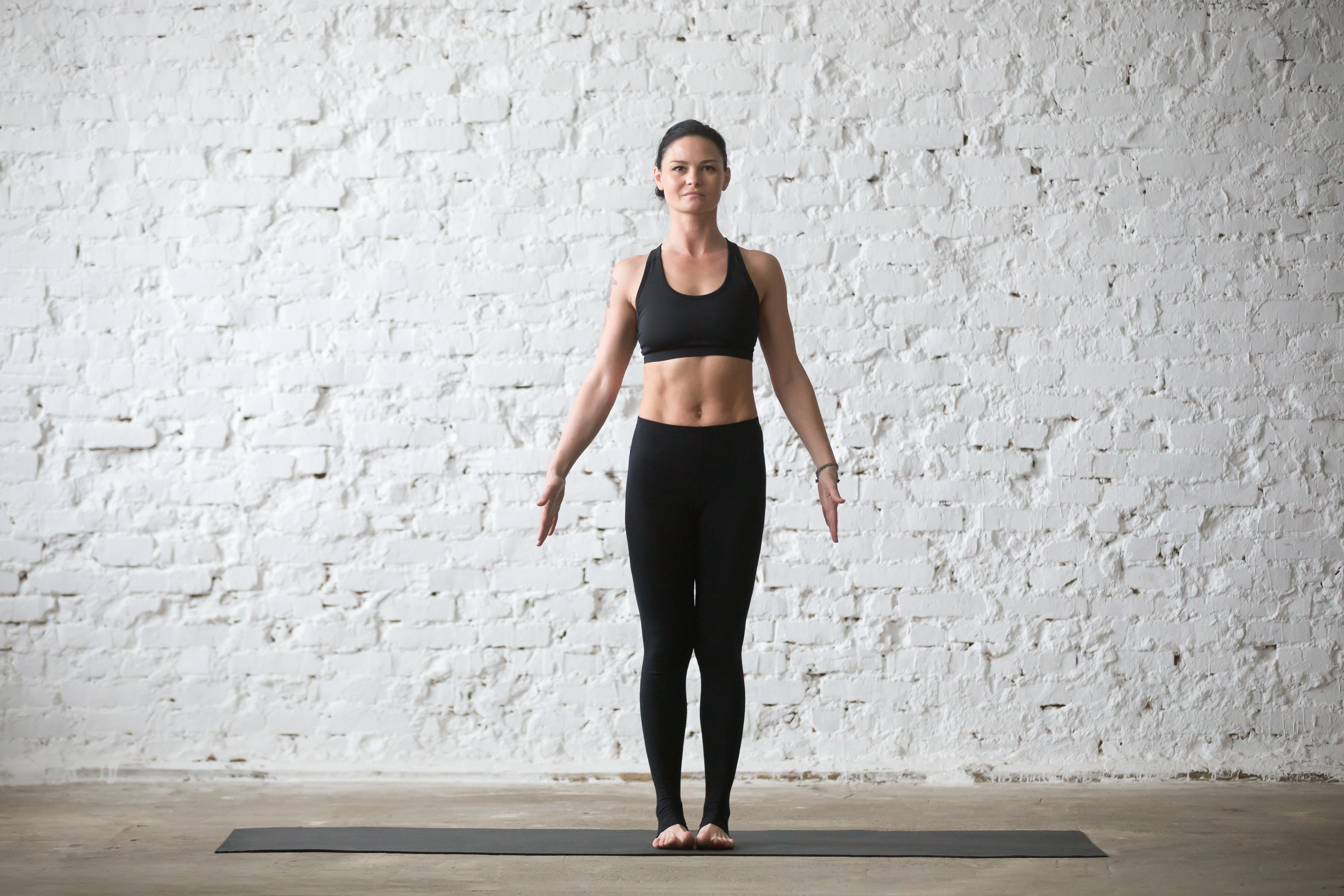
Tadasana (Mountain Pose): In this, you need to stand straight with your feet together and then stretch your arms upward. This pose can be implemented for improving steadiness, posture and balance, which have been defined as the basic needs of yoga.
Yoga Pose #2 & its Benefits: Tree – Vrikshasana
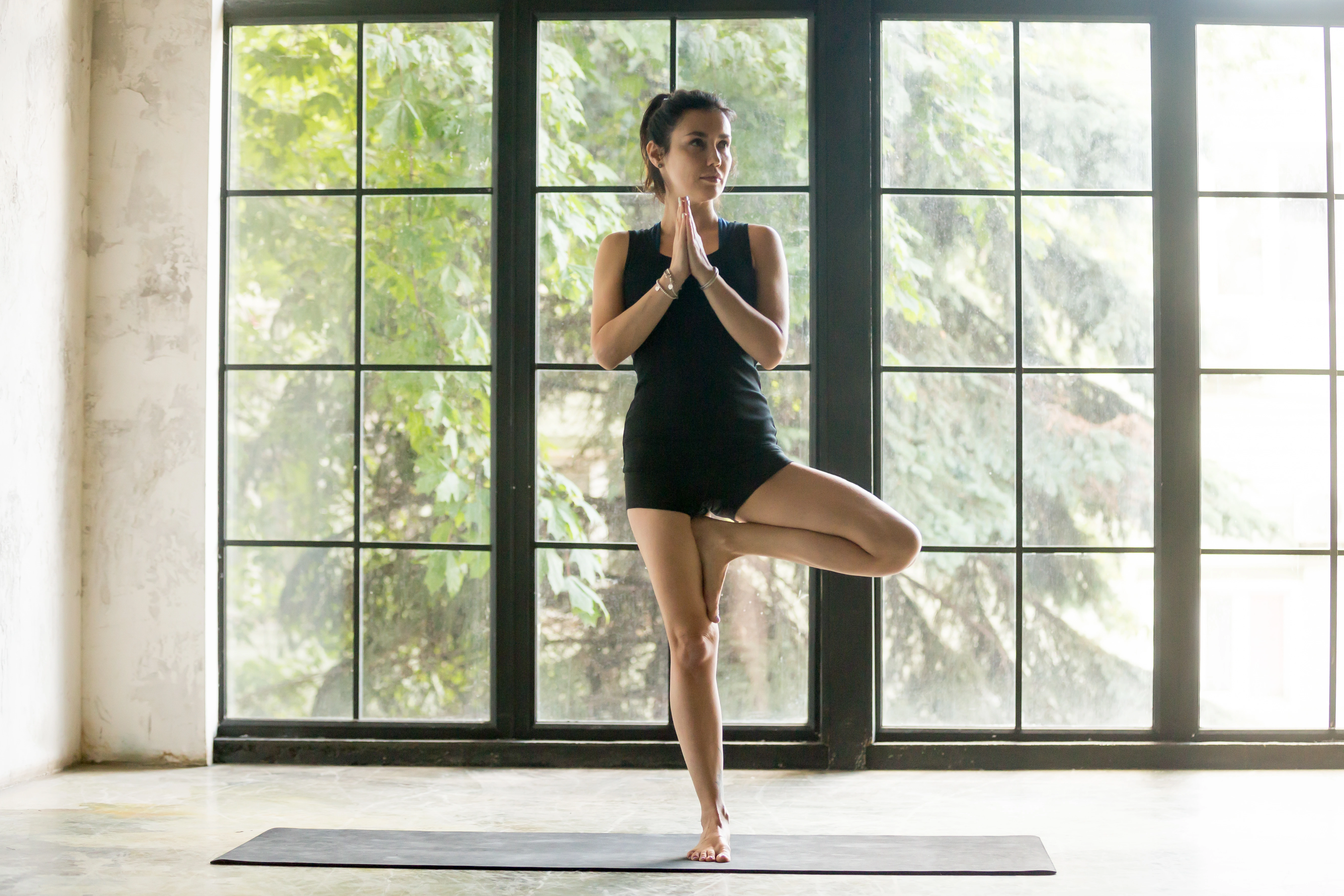
Vrikshasana (Tree Pose): For practising this, you need to stand on one leg and place another foot on your inner thigh while balancing. It helps in strengthening the legs and improves concentration and steadiness. However, it must be practised with expert yoga advice.
Yoga Pose #3 & its Benefits: Triangle – Trikonasana
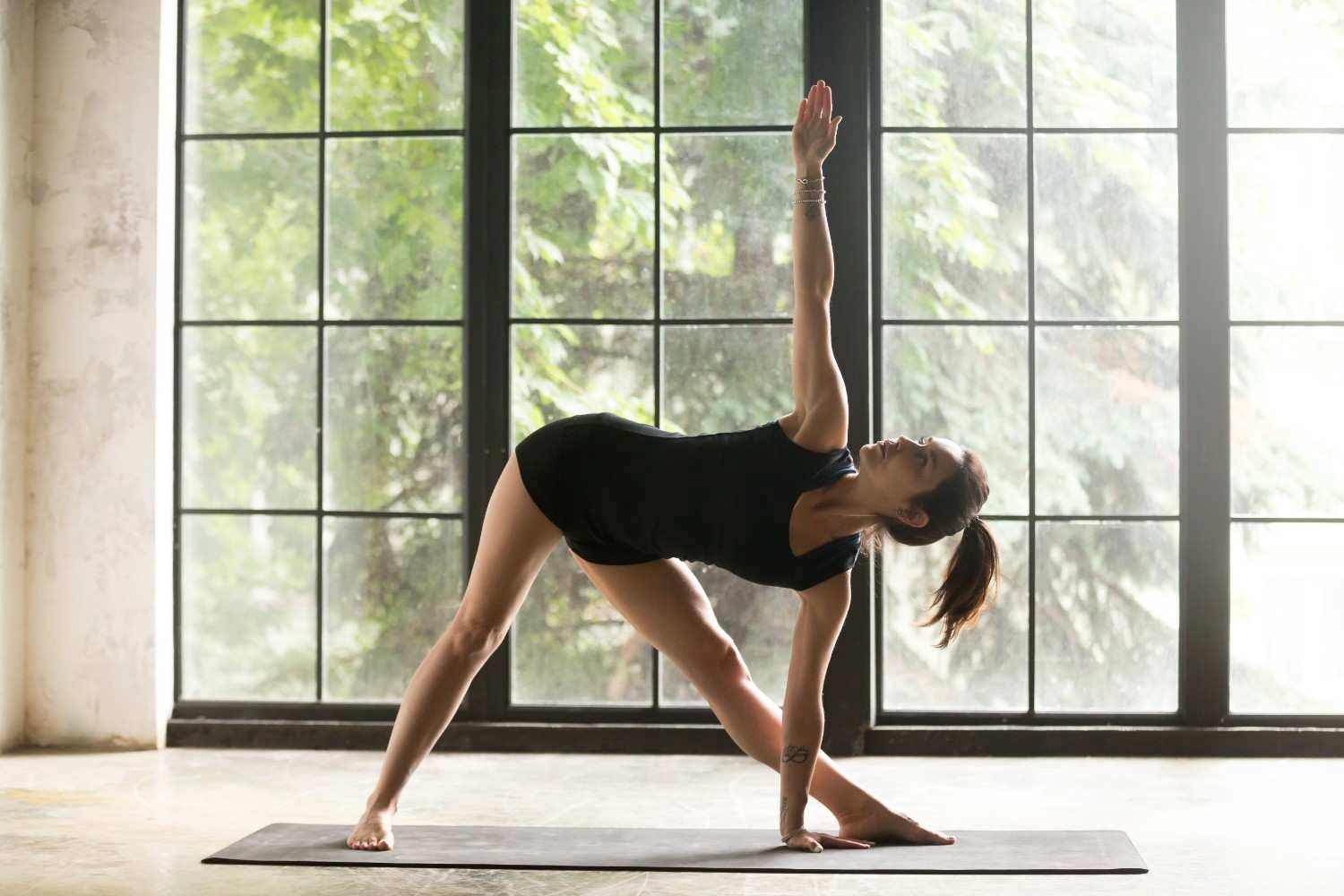
Trikonasana (Triangle Pose): For practising this Aashana, spread your legs wide and bend sideways to touch one foot. Through this pose, you can stretch the body and improve flexibility and balance as well.
Yoga Pose #4 & its Benefits: Cobra – Bhujangasana
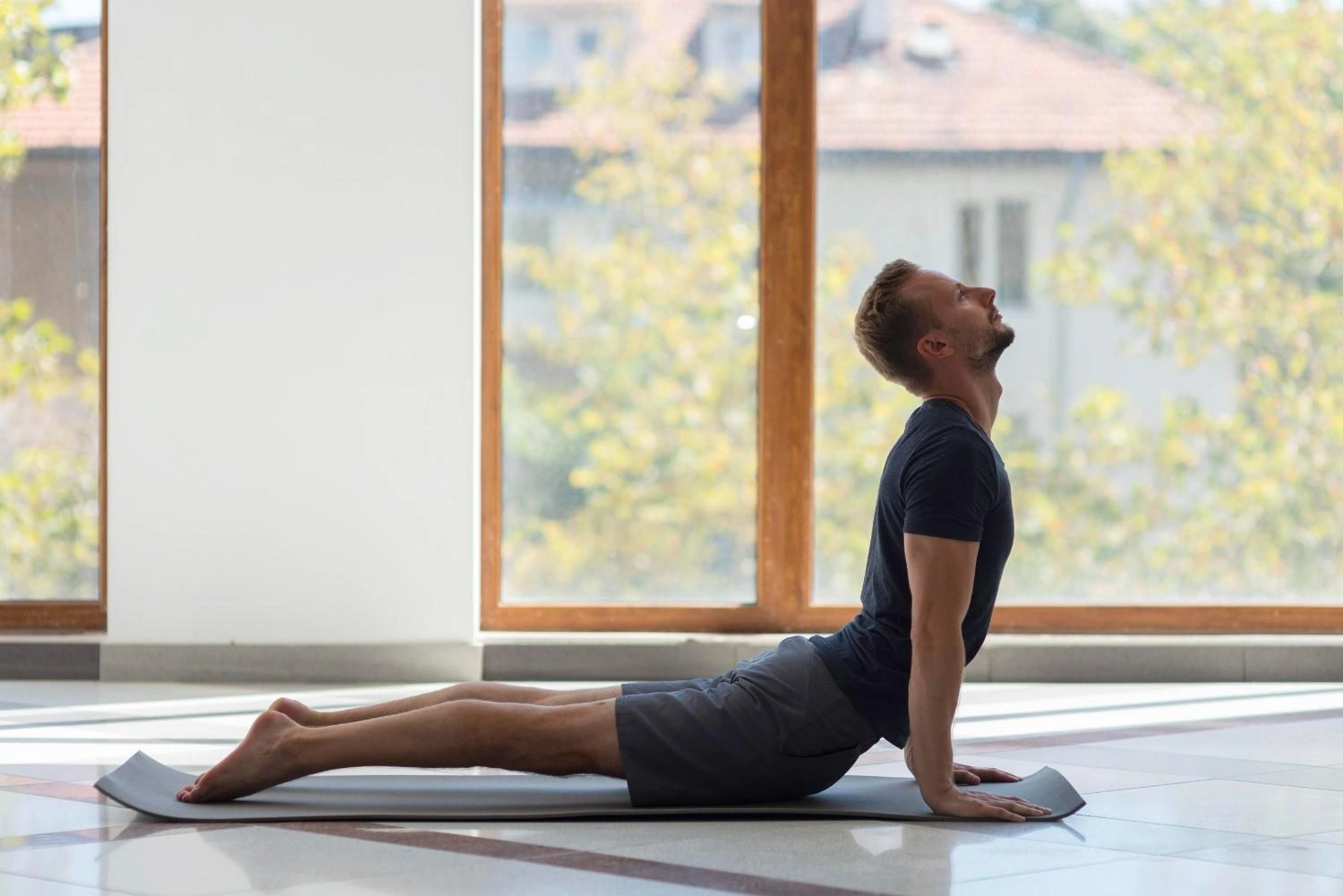
Bhujangasana (Cobra Pose): In this posture, the practitioner has to lie on the stomach and then lift their chest slowly using their hands. It strengthens the spine and improves back flexibility, which helps the body to be active and flexible.
Yoga Pose #5 & its Benefits: Downward Dog– Adho Mukha Svanasana
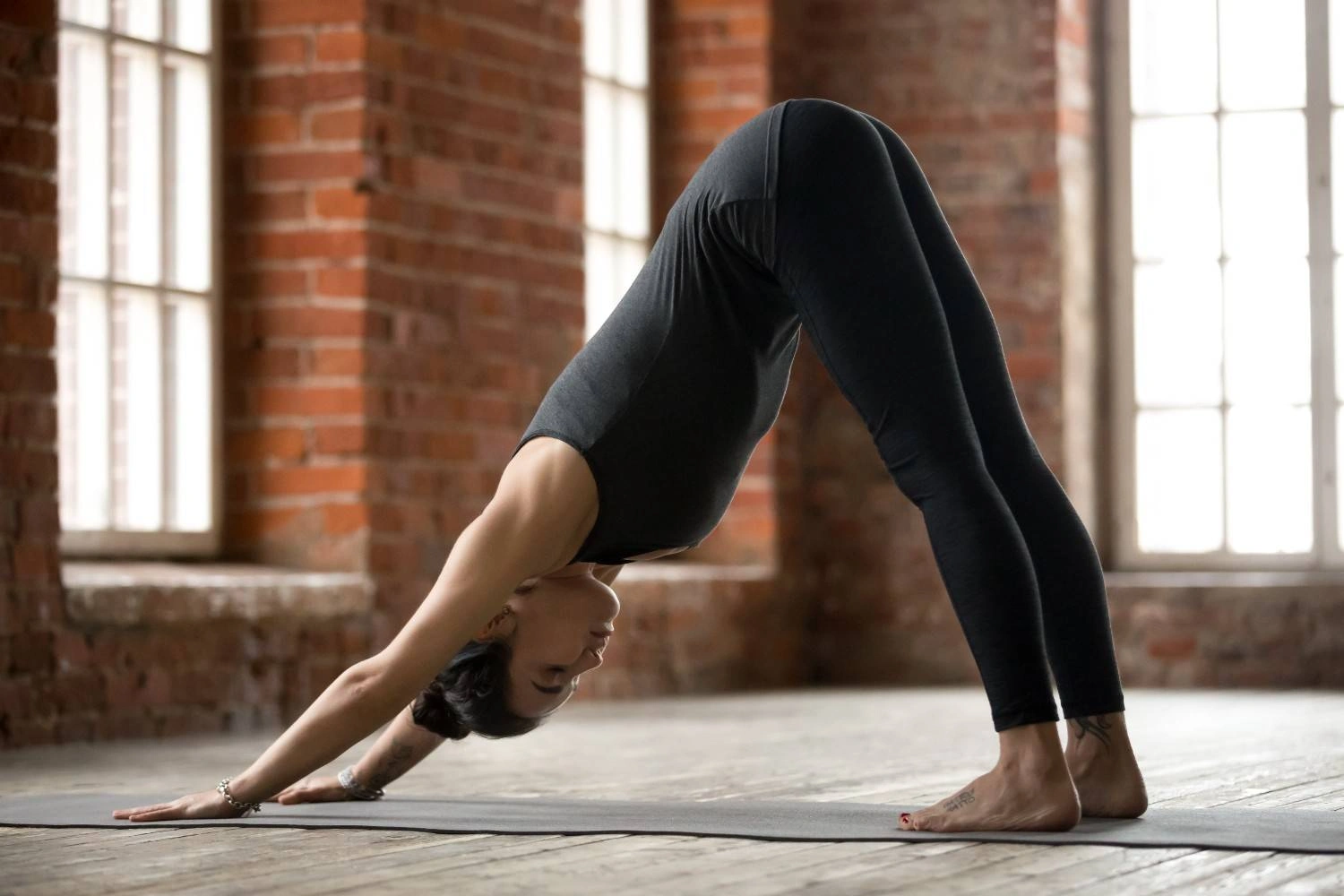
Adho Mukha Svanasana (Downward Dog Pose): In this asana, you need to lift your hips to form an inverted "V" shape while keeping your hands and feet on the floor. It strengthens the body, improves blood circulation, and helps maintain an active body.
Yoga Pose #6 & its Benefits: Child's Pose – Balasana
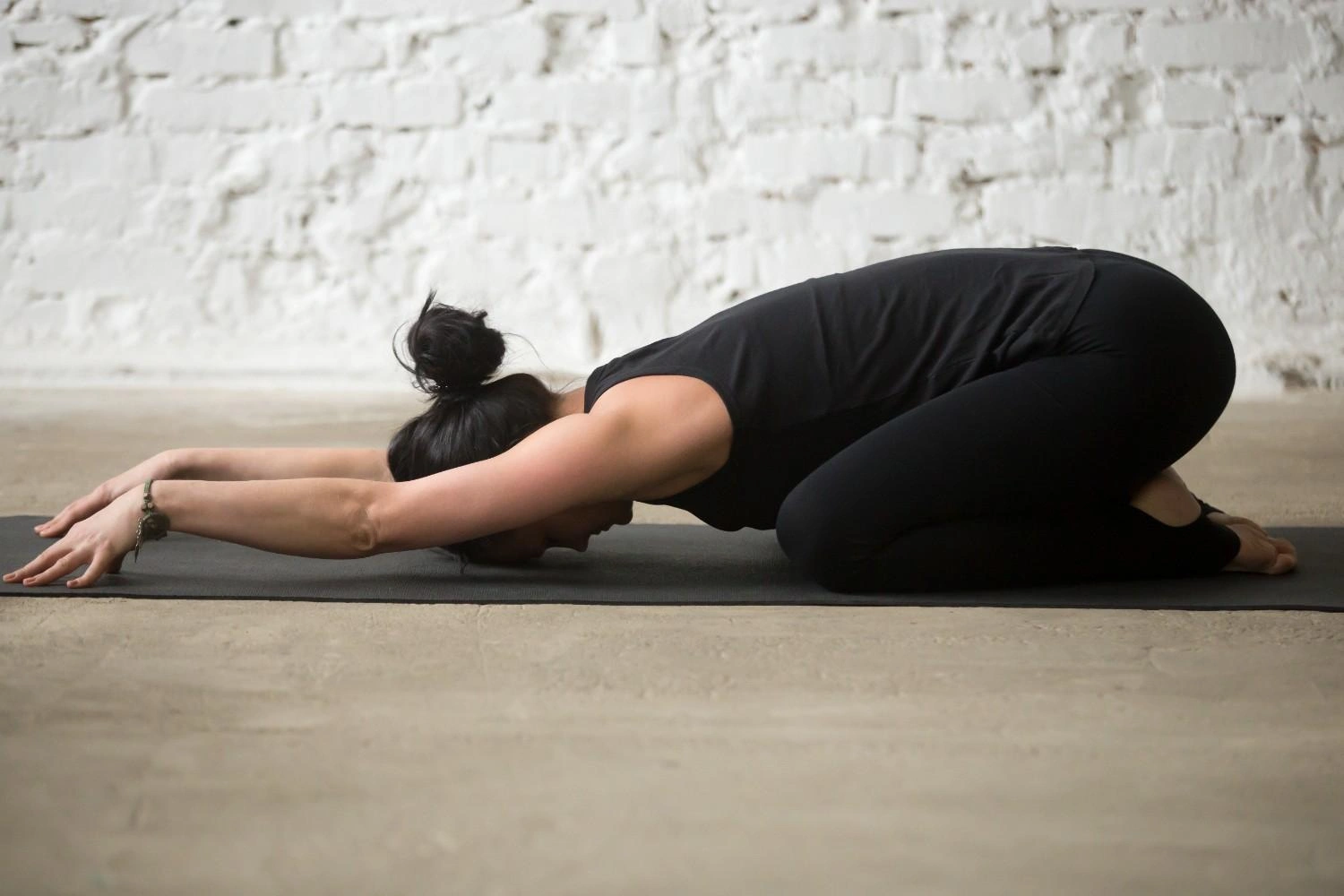
Balasana (Child's Pose): For practising the Child’s pose, just sit on your heels and bend forward with your arms stretched out. With this Aashana, you can relax the body, reduce stress, and relieve your back tension.
Yoga Pose #7 & its Benefits: Thunderbolt – Vajrasana
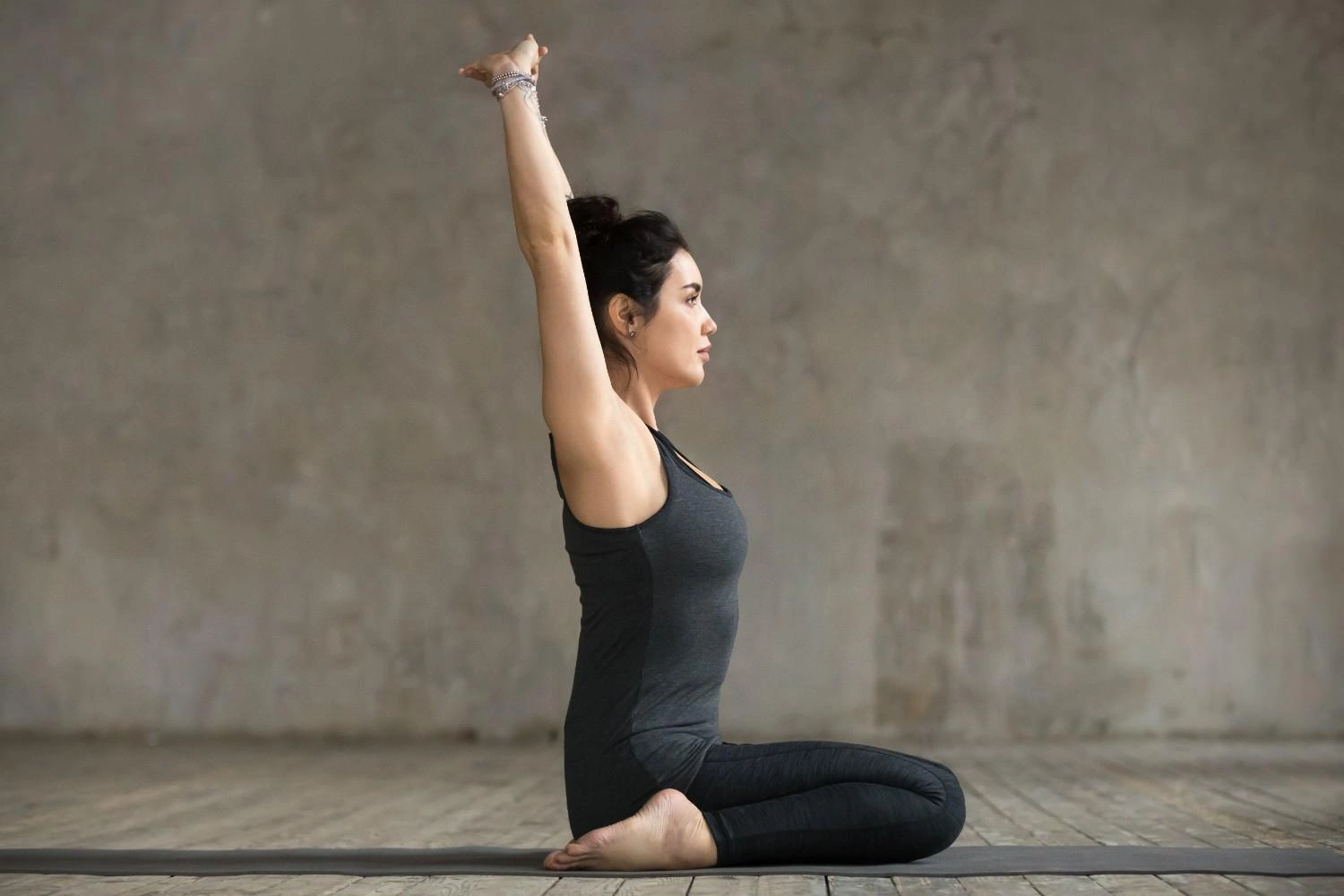
Vajrasana (Thunderbolt Pose): You need to sit comfortably on your heels with your back straight. It helps in maintaining digestion and is a steady posture for meditation.
Yoga Pose #8 & its Benefits: Bridge – Setu Bandhasana
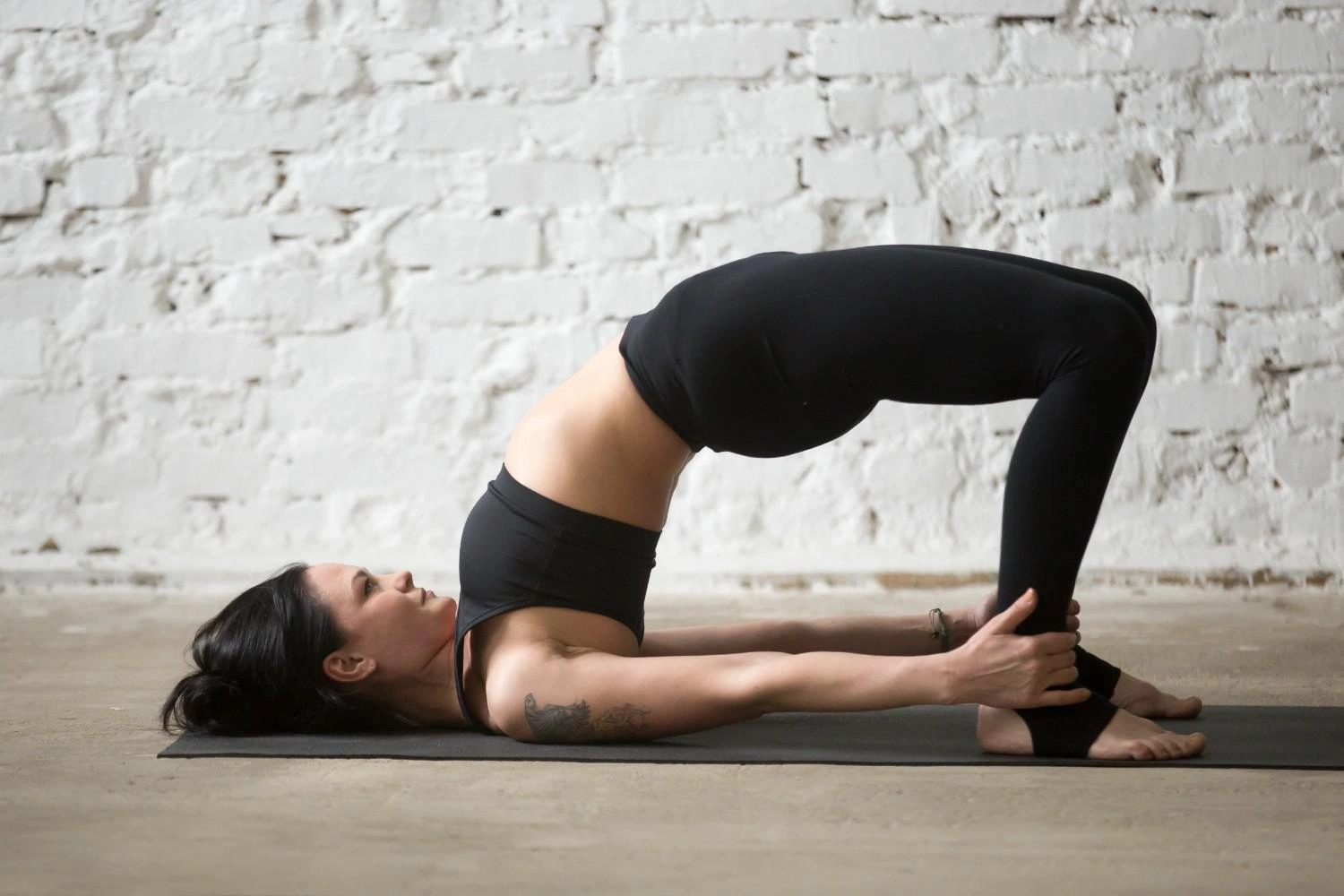
Setu Bandhasana (Bridge Pose): Lie on your back and lift your hips while keeping your feet on the floor. It strengthens the back, hips, and core muscles.
Yoga Pose #9 & its Benefits: Seated Forward Bend – Paschimottanasana
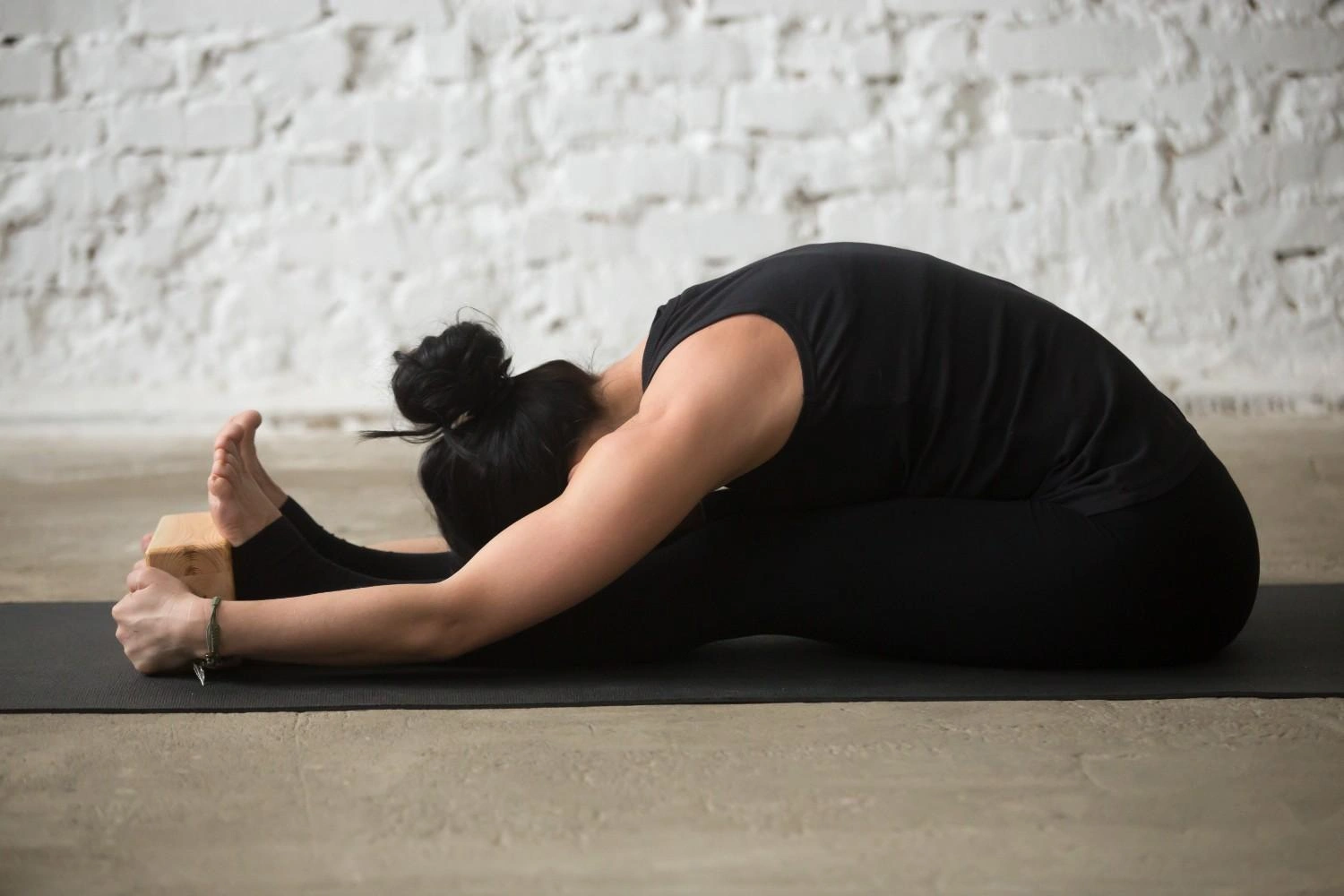
Paschimottanasana (Seated Forward Bend): It is practised for stretching the spine and supports healthy digestion. For practising this, sit with your legs extended and bend forward to hold your feet.
Yoga Pose #10 & its Benefits: Half Spinal Twist – Ardha Matsyendrasana
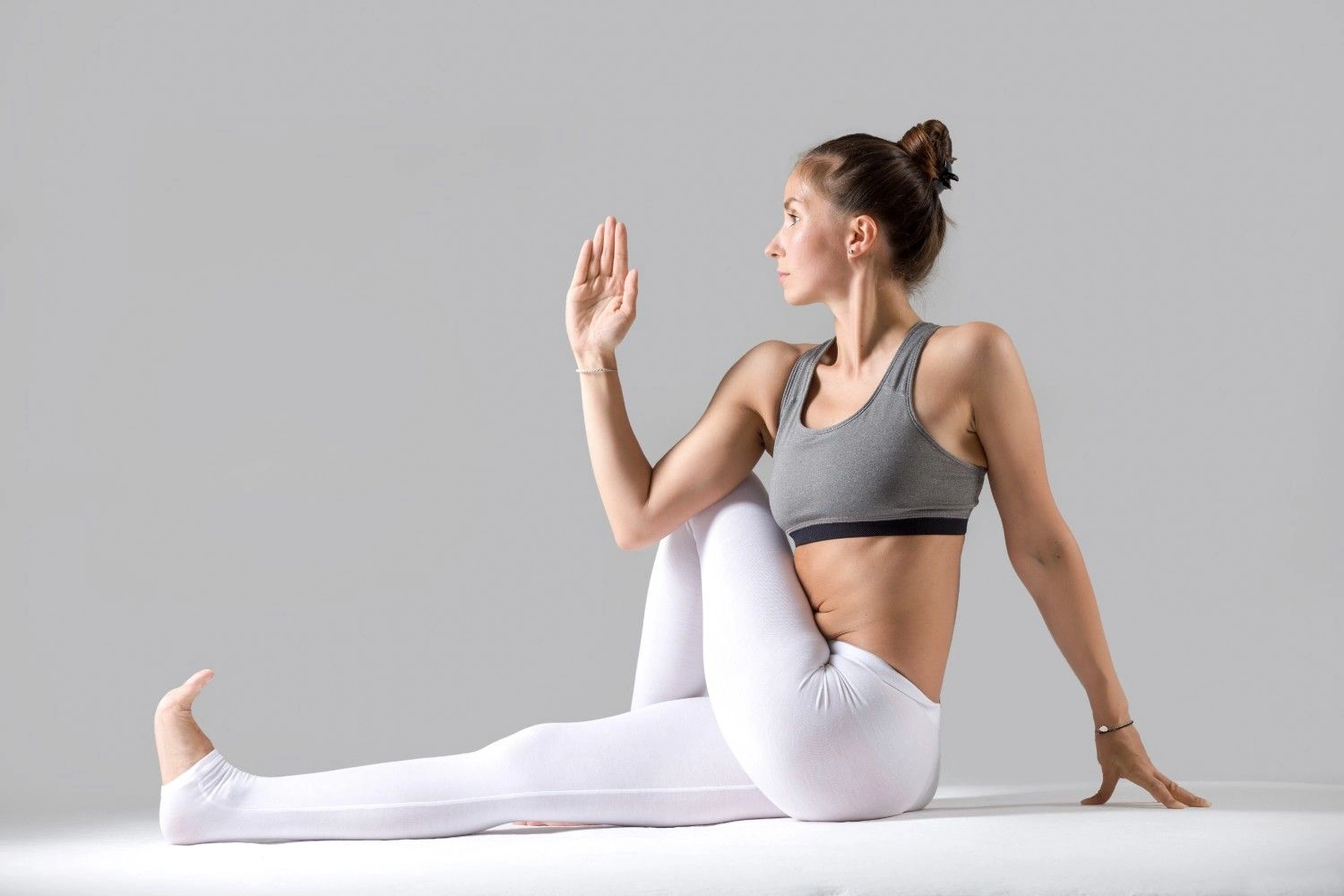
Ardha Matsyendrasana (Half Spinal Twist): To start this, sit and gently twist your upper body while keeping your spine straight. It improves spinal flexibility and stimulates digestion.
Yoga Pose #11 & its Benefits: Bow – Dhanurasana
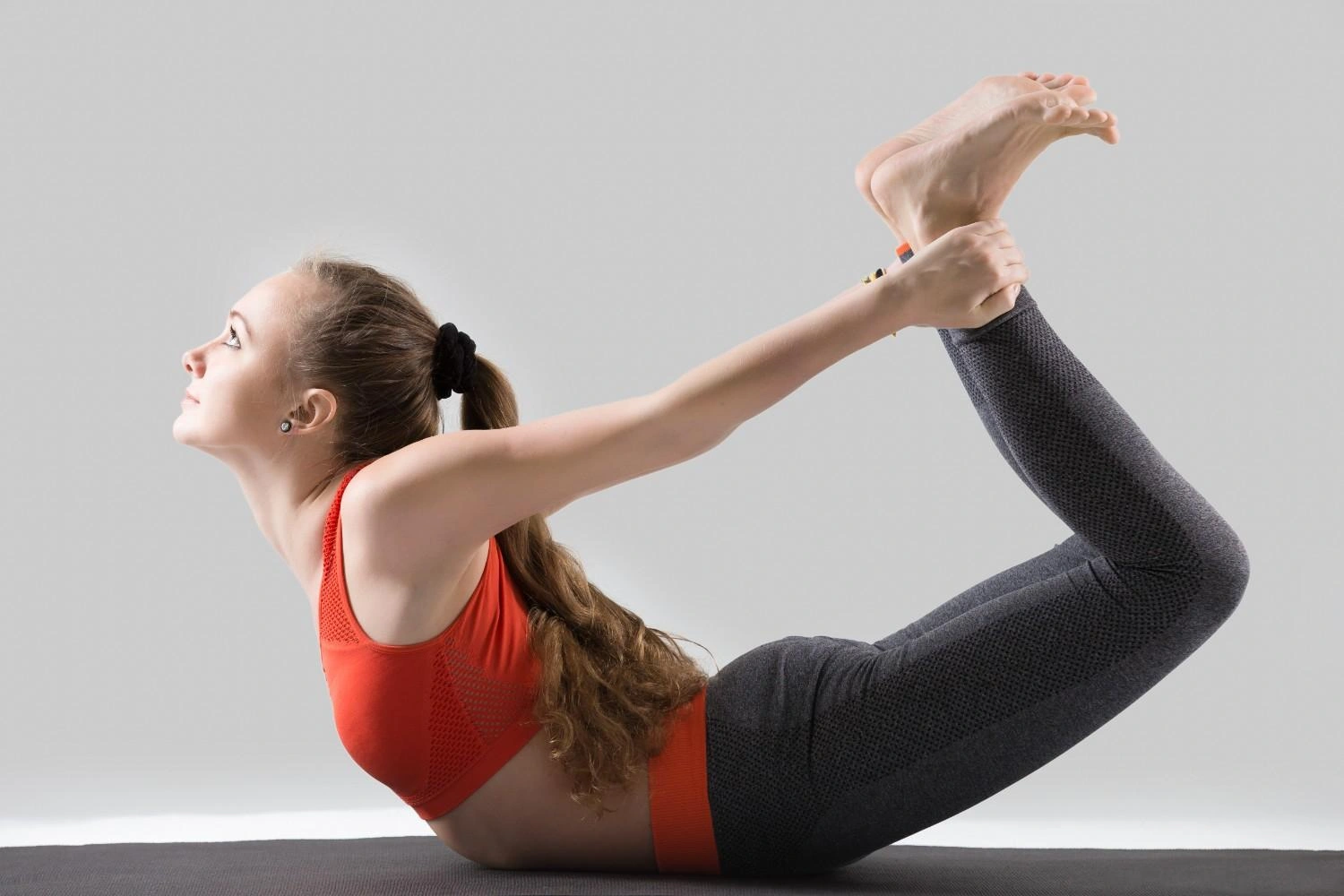
Dhanurasana (Bow Pose): Lie on your stomach, hold your ankles, and lift your chest and legs together. It strengthens the back and improves flexibility.
Yoga Pose #12 & its Benefits: Corpse – Shavasana
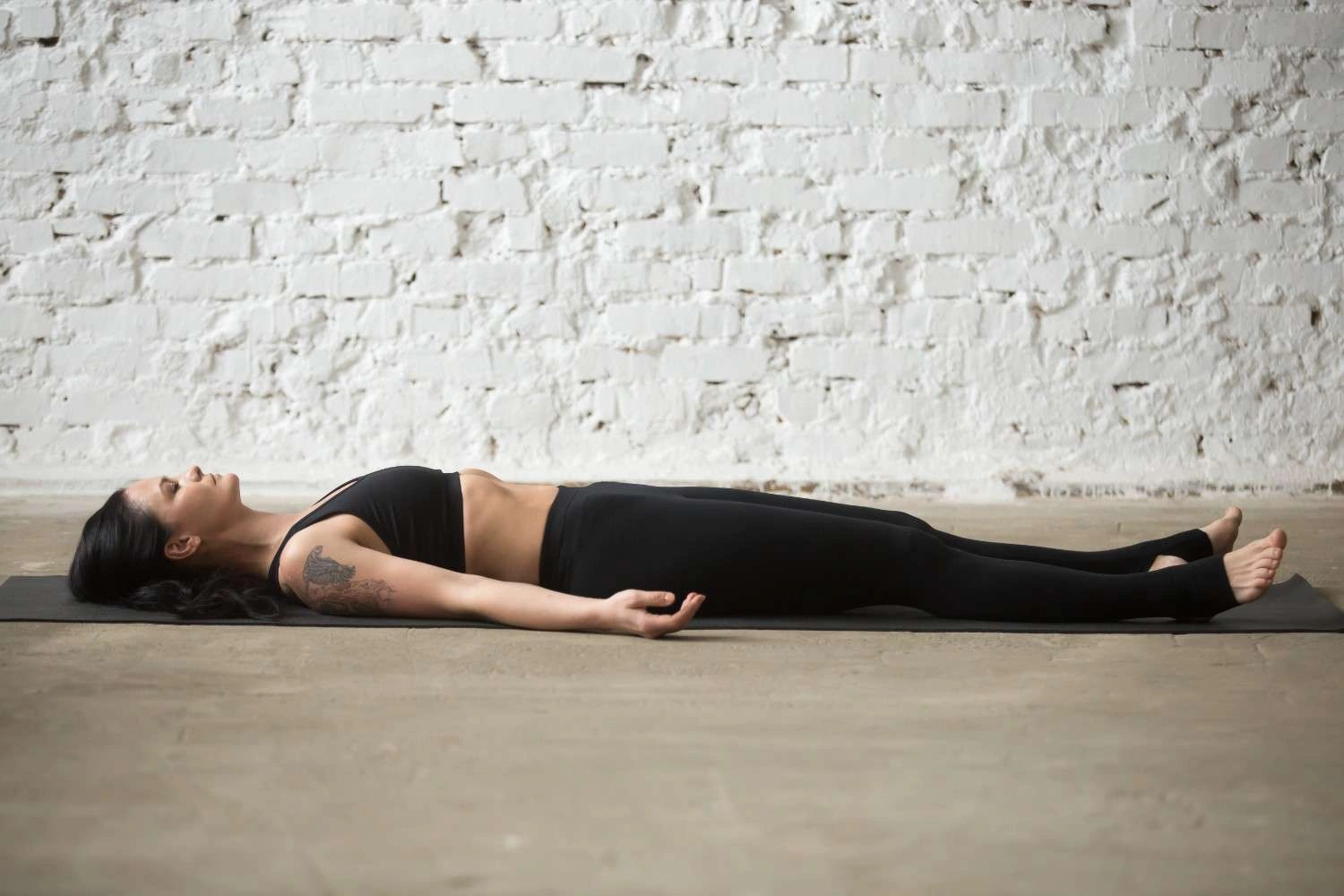
Shavasana (Corpse Pose): Lie flat on your back with your eyes closed and relax your entire body. It helps reduce stress and restores physical and mental energy.
Beginner Yoga Routine and Safety Tips
- Begin your yoga session with 2–3 minutes of deep breathing to calm your mind and regulate your breath. Follow this with gentle warm-up stretches to loosen your muscles, improve mobility, and prepare your body for the practice ahead.
- Practise basic yoga poses, starting with standing poses like Tadasana and Vrikshasana, then move to flexibility poses such as Trikonasana and Bhujangasana.
- Include seated and relaxation poses for the asana, like Vajrasana and Paschimottanasana, and finish your practice with Shavasana for complete relaxation.
- Maintain proper technique in performing each pose and start it with slow, steady breathing and focus on correct posture so that you can ensure maximum benefits.
- Avoid overexertion or forcing your body into difficult positions. If you are feeling any uncomfortable issues, you must stop immediately.
- Practise Regularly and Safely: A daily session of 20–30 minutes is enough for beginners. If you have a medical condition or recent injury, consult your doctor before starting yoga.
Conclusion
If you are planning to start yoga and are willing to learn it in detail, you need to be aware of all its poses, preparation, timing, and everything. It is said that without having any specific guidance, you must not start, especially with tough postures. When you start with a simple posture with the guidance of an expert, it becomes easy to become familiar with higher-level and complicated postures. So, with a detailed yoga poses chart and guidance for practice, at least you must have basic ideas to proceed with. Because once you are aware of the benefits of yoga and you start with your internal effort, you can learn it through expert guidance.