
Picture a restaurant kitchen after the dinner rush. The last customers are gone, the place is wrecked, and before anyone goes home, they're scrubbing surfaces, chucking what's off, restocking the basics, and prepping for tomorrow. Nobody skips it, because if they do, day two starts broken. Half-prepped, short on supplies, working twice as hard just to catch up.
Our brain's doing something similar every night. It clears out the day's metabolic waste, files away memories, recalibrates hormones, and resets our emotional state. Cut that short too often, and the effects don't show themselves immediately; they just quietly build until one day you realise you haven't actually felt rested in months and you can't quite put your finger on why.
Most adults know they should sleep more. Far fewer think about the fact that it's not just how long you sleep; how you sleep matters just as much. That's what sleep hygiene tips are really about. This Infiheal blog gets into what sleep hygiene actually means, why is sleep so important, and 15 things you can genuinely start doing tonight.
What is Sleep Hygiene?
Sleep hygiene sounds more clinical than it is. It's basically everything you do and don't do that shapes how well you sleep. Your habits, your room, your evening, even your morning. All of it feeds in.
People tend to assume poor sleep hygiene just means going to bed too late. But it's also the coffee you had at 4pm, the phone charging on your nightstand with notifications still on, the large meal you ate an hour before bed, or the fact that you slept until noon on Sunday and now can't drop off until 2am on Monday. None of these feel like a big deal in the moment. That's exactly what makes them easy to overlook, right up until your sleep has quietly been falling apart for months.
Getting sleep hygiene tips right doesn't mean forcing your body to wind down. It means removing the things that are quietly working against you and giving your brain the right conditions to do what it already knows how to do.
Why is Sleep So Important?
Sleep is usually the first thing to go when life speeds up. And fair enough, you can still get through the day on less, at least for a while.
What most people miss is that their body doesn't stop working when they do. While you're asleep, the brain is sorting through the day and filing things away. Hormones get recalibrated, like cortisol, insulin, and the ones that regulate hunger. The immune system patches itself up.
There's also a system called the glymphatic system that clears waste from the brain, including a protein called beta-amyloid that's been linked to Alzheimer's. That system is almost entirely active during sleep. Not on the commute, not during your lunch break. Sleep.
Then there's the emotional side, which tends to get overlooked. Your prefrontal cortex, the bit that keeps your reactions measured, needs sleep to reset. Run it on empty for long enough and your fuse gets shorter in ways that are genuinely hard to explain to yourself, let alone anyone else.
Why is sleep so important? Because there's nothing your body does that isn't affected by it. Ongoing sleep deprivation has been tied to anxiety, depression, weight gain, poor decisions, a weakened immune system, and long-term heart problems. It's not a discipline thing. It's biology.
What is the best sleep schedule?
Same bedtime, same wake time, every day. Weekends too. Most adults need somewhere between seven and nine hours, but keeping those times consistent matters just as much as hitting the right total.
The body runs on roughly a 24-hour cycle, and light is the main thing keeping it calibrated. Most people naturally want to sleep somewhere between 10pm and midnight, but there's real variation in that. If you've always been a night owl or an early riser, that's not just personality; it's genuinely how your brain is wired. Your window might sit a bit earlier or later than average. What matters more than the specific hour is keeping it the same night after night.
What causes the most damage for most people isn't a rough night here and there. It's going to bed at 11pm all week, then staying up till 2am on the weekend. Your body basically goes through jet lag every Friday night. It never properly adjusts, and by Monday you're starting the week already behind. What is the best sleep schedule? Whichever one you can actually keep the same, consistently.
15 Best Sleep Hygiene Tips for Better Rest
Build the Right Sleep Environment
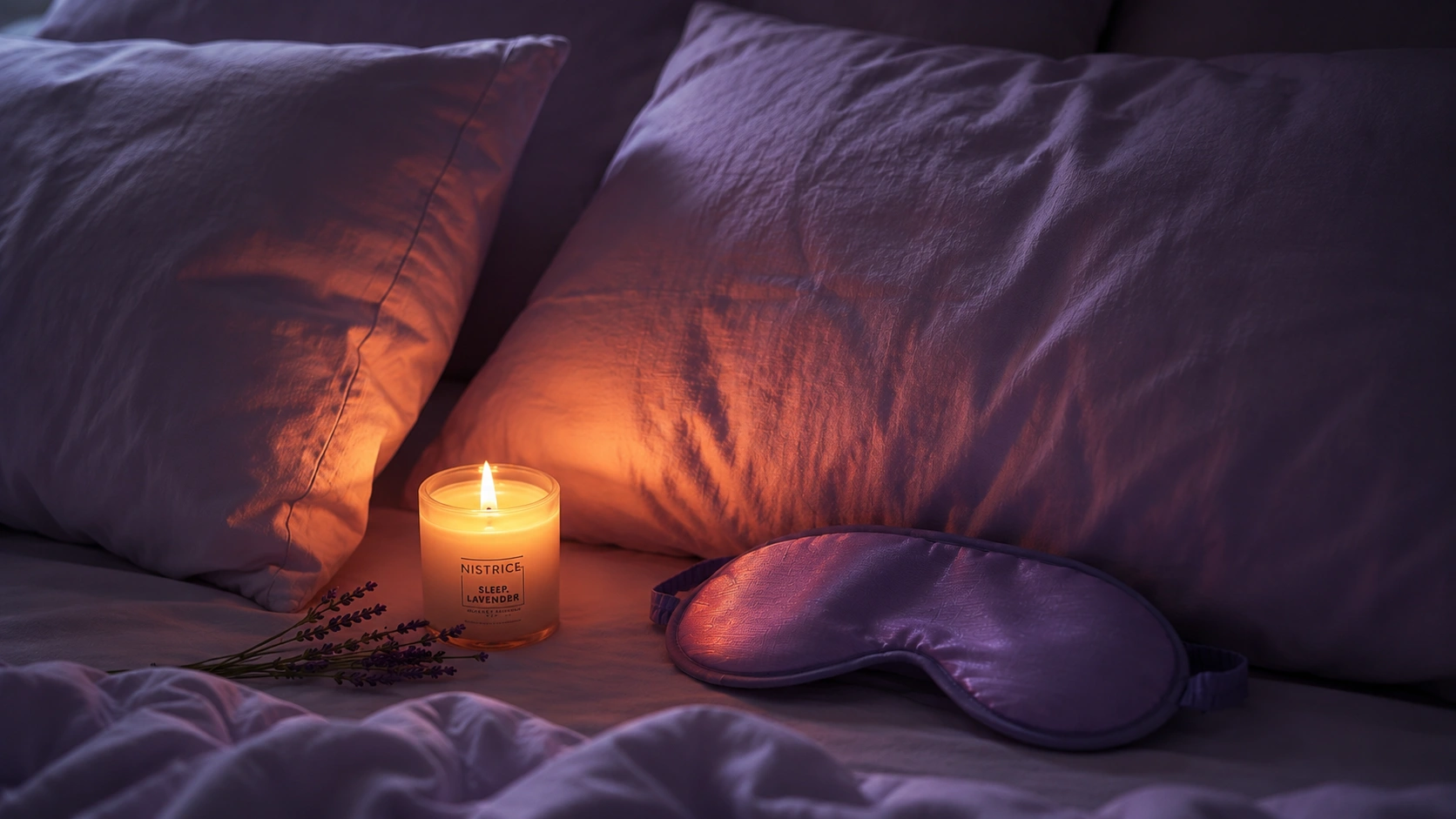
- Sleep in a cool, dark roomYour body temperature has to drop to fall asleep, and a room between 16 and 19°C (60–67°F) makes that easier. Light's more of a problem than most people realise; even a thin strip coming under the door can interfere with melatonin production. Blackout curtains are worth it. So is turning the TV standby light away from the bed, honestly.
- Use your bed only for sleepWhen you work, scroll, or eat in bed, your brain gradually stops connecting it with rest. Rebuilding that link, known as stimulus control, is one of the more underrated sleep hygiene tips for better rest out there. The logic is simple: your brain learns by association. Use the bed only for sleep, and it'll start treating it that way.
- Control noise activelySome people sleep better with total silence; others do better masking unpredictable sounds, like a passing car or a neighbour's front door, with a fan or white noise machine. Those sudden noises can cause brief arousals throughout the night without fully waking you, and they still disrupt the depth of your sleep.
Set Your Body's Internal Clock
- Set a consistent wake-up time every morningOut of everything on this list, your wake time does the most work. Bedtime matters, sure, but if your wake time is drifting around, nothing else sits in properly. Your body doesn't know it's Saturday. It only notices that yesterday’s bedtime was three hours later than usual. Even shifting it by an hour or two affects how quickly you fall asleep, how deep that sleep gets, and how you feel the next day. Get the wake time steady first. A lot of the rest starts falling into place from there.
- Get morning sunlight within 30 minutes of wakingLight is the main input your internal clock uses to stay calibrated. A few minutes outside in the morning, no sunglasses if you can help it, is enough to signal to your brain that the day's started, which sets the timer for when it'll begin winding down later. People always ask about overcast days. It still works. Outside on a cloudy morning is far brighter than anything indoors.
- Keep naps shortTwenty to thirty minutes is plenty, enough to sharpen you up without eating into your sleep drive for the night. Push past that, especially in the late afternoon, and you're effectively borrowing against your bedtime. You'll feel it when 11pm rolls around and you're wide awake.
Watch What You Consume
- Cut caffeine off by early afternoonCaffeine has a half-life of five to six hours. The coffee you had at 3pm isn't keeping you alert by 9pm, but it's still meaningfully in your system, quietly reducing the depth of your sleep. Most people judge caffeine by whether it keeps them awake. Sleep researchers care more about whether it makes your sleep shallower. Those aren't the same thing. If how to sleep better is what you keep Googling at midnight, start here. It's the most boring answer, but it's also one of the most consistent.
- Don't drink alcohol before bedIt does make you feel sleepy; that part's not a myth. What most people don't realise is what's happening a few hours in. Alcohol badly disrupts the second half of the night and nearly wipes out REM sleep, the stage where your brain works through emotion and locks in memory. You might stay asleep, but the quality isn't there. Most people chalk the next-day grogginess up to just not being a morning person and never trace it back to what they drank the night before.
- Avoid large meals two to three hours before bedDigestion is active work; it raises your core body temperature and keeps your system running when it should be slowing down. A small snack won't cause issues. A big meal an hour before bed will, even if it doesn't feel like it straight away.
Build a Wind-Down Routine
- Reduce screen time 45-60 minutes before bedBlue light suppresses melatonin, but that's only part of the problem. The content on screens, news, social media, and work threads keeps your brain in a problem-solving, alert state right when it needs to be doing the opposite. It's often not the blue light keeping people awake; it's the argument they read, the email they replied to, or the video that turned into ten more. The stimulation is a bigger one.
- Do the same relaxing activity every nightReading, stretching, a warm shower, and journalling – what you pick matters less than the repetition. Do the same thing every night, and after a while your body starts treating it as a signal that sleep is coming. It sounds simple because it is, and it's one of the most reliable ways to improve sleep habits precisely because it works with your body's own cues rather than fighting them.
- Write a to-do list before bedA study in the Journal of Experimental Psychology found that people who wrote out their tasks for the next day fell asleep much faster than those who didn't. The thinking is that your brain keeps cycling through unfinished items as a kind of background process; writing them down gives it permission to let go. Worth trying before you reach for a sleep supplement.
Handle Sleeplessness Without Making It Worse
- If you can't sleep after 20 minutes, get upEvery instinct says stay in bed and try harder. Do the opposite. Lying there awake, getting increasingly frustrated, teaches your brain that the bed is where you're stressed and alert, and that becomes self-reinforcing. Get up. Go sit somewhere else. Do something genuinely low-effort until you actually feel sleepy, then go back. It's annoying advice, but it works.
- Stop looking at the clockEvery time you check, you end up doing the same calculation: if I fall asleep now, I can still get five and a half hours. That's not a calming thought. It's just a slower kind of panic. Turn the clock away or put your phone somewhere out of reach.
- Track your sleep patternsPay attention to what seems to shift things, what you ate, how much you moved, and whether it was a stressful week. A couple of weeks of notes and patterns start showing up. Your specific triggers are usually more useful than anything on a general list like this one.
If you've tried most of this and your sleep still isn't right, it's worth asking whether something else is going on underneath, like unresolved stress, anxiety, or emotional patterns that haven't had space to be worked through. Healo, an AI mental health companion, can help you untangle racing thoughts, build a proper wind-down routine, and work out whether something deeper is getting in the way. It's there any time, including at 3am when you actually need it.
Conclusion
Sleep isn't a debt you can settle on Saturday morning. The research on that is pretty clear. What works is protecting it consistently, not perfectly, just steadily. Pick one thing from this list, try it for a week, and see what changes. Your body already knows how to sleep better. It just needs the right conditions to get on with it.