

Introduction
Many of us are exhausted, yet struggle to rest.
We finally get a free evening and immediately reach for our phones. We take a day off and feel guilty. We go on vacation and spend half the trip checking emails. Even when our bodies stop, our minds continue running.
Rest has become strangely complicated.
This blog explores why rest feels difficult in modern life, the psychological reasons people cannot rest, how chronic stress and productivity culture shape our relationship with downtime, and what healthy rest actually looks like in a world that rarely slows down.
Rest Is Not the Same as Doing Nothing
One of the biggest misconceptions about rest is that it simply means stopping work. We often assume that if we're not being productive, we must be resting. But many people have experienced the opposite: spending hours on the couch, watching videos or scrolling through social media, only to feel just as drained afterward.
The reason is that rest is not merely the absence of activity. It is the process of restoring resources that have been depleted. Depending on what has exhausted us, different forms of rest may be needed.
Physical Rest vs. Mental Rest
Physical rest is what most people think of when they hear the word "rest." It includes sleeping, taking naps, lying down, or allowing the body to recover after physical exertion. Physical rest helps reduce bodily fatigue and supports processes such as muscle repair, immune functioning, and energy restoration.
Mental rest, however, addresses a different kind of exhaustion. It is needed when the mind has been engaged in constant thinking, decision-making, problem-solving, planning, or worrying. Someone can get eight hours of sleep and still feel mentally exhausted if their mind remains occupied by unfinished tasks, responsibilities, or stress.
This distinction helps explain why many people wake up feeling tired despite getting enough sleep. The body may have rested, but the mind may never have fully disengaged.
Passive Rest vs. Active Restoration
Another important distinction is between passive rest and active restoration.
Passive rest involves reducing activity, such as sleeping, lying down, or watching television. These activities can be helpful, particularly when physical energy is low.
Active restoration involves engaging in activities that replenish us without demanding excessive effort. Examples include spending time in nature, taking a leisurely walk, listening to music, engaging in a hobby, stretching, journaling, or having a meaningful conversation.
Interestingly, some forms of active restoration can leave people feeling more refreshed than passive rest. This is because restoration is not always about doing less. Sometimes it is about doing something that nourishes parts of ourselves that have been neglected.
Why Scrolling Social Media Often Feels Like Rest But Rarely Restores Us
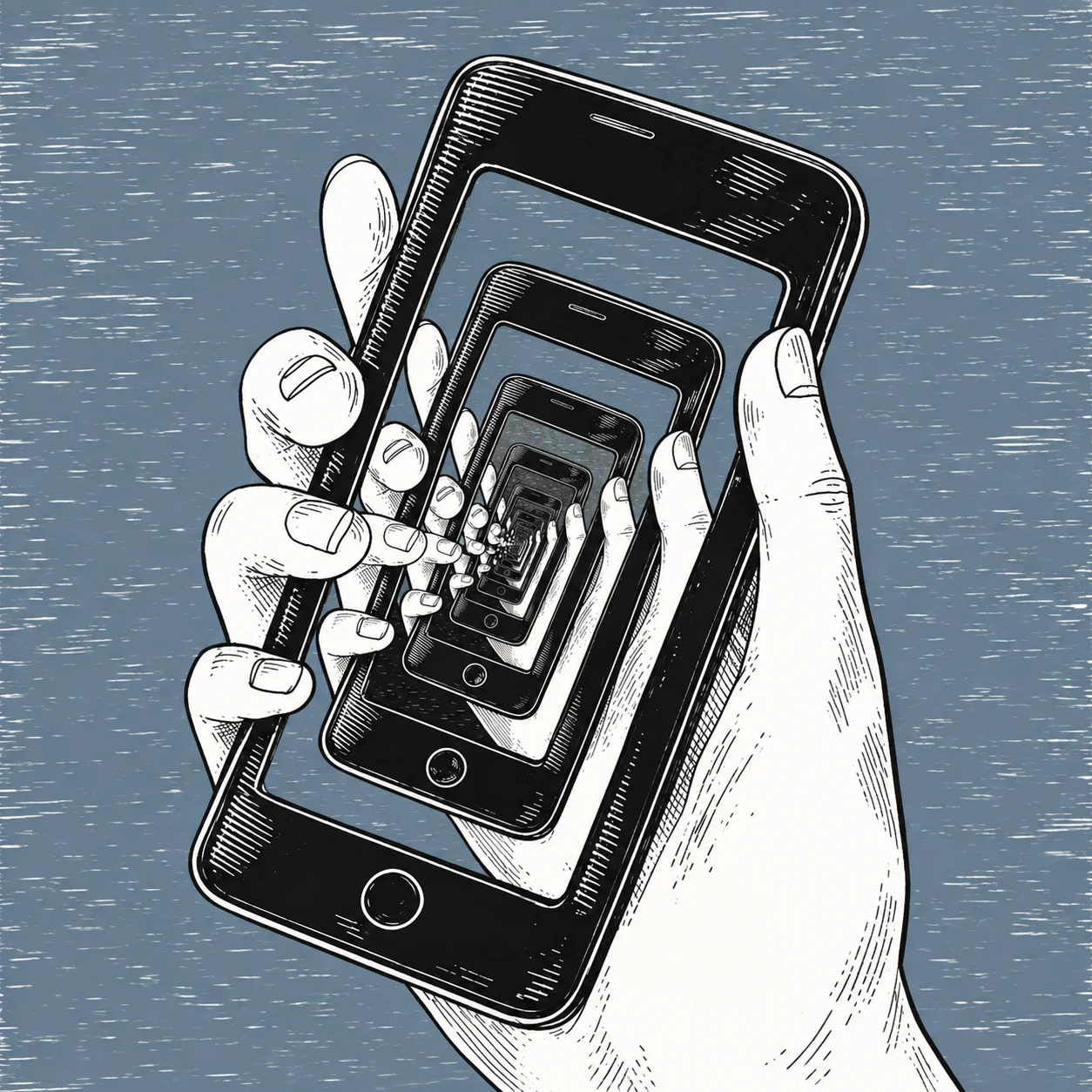
After a long day, many of us instinctively reach for our phones. Social media feels restful because it requires relatively little effort compared to work, studying, or managing responsibilities.
However, what feels like rest is not always restorative.
Scrolling keeps the brain engaged in a continuous stream of information, images, opinions, advertisements, and emotional stimuli. Our attention remains active as we process content, compare ourselves to others, respond to notifications, and absorb new information.
Instead of allowing the mind to recover, social media often introduces additional cognitive and emotional demands. We may feel entertained or distracted, but distraction is not the same thing as restoration.
This is why someone can spend an hour scrolling and emerge feeling mentally cluttered rather than refreshed.
The Different Types of Rest We Often Overlook
Many forms of exhaustion cannot be solved by sleep alone because they stem from different needs.
- Emotional RestEmotional rest comes from being able to express emotions honestly without constantly managing how we appear to others. Many people experience emotional fatigue when they spend large amounts of time suppressing feelings, people-pleasing, or carrying emotional burdens alone.
- Social RestNot all social interaction is equally restorative. Social rest involves spending less time in relationships that feel draining and more time in relationships where we feel accepted, understood, and able to be ourselves. Sometimes social rest may also involve temporary solitude.
- Creative RestCreative rest allows us to reconnect with curiosity, inspiration, and wonder. It can come from spending time in nature, appreciating art, listening to music, reading, or simply allowing ourselves to observe rather than produce.
- Sensory RestModern life bombards us with sensory input through screens, notifications, bright lights, traffic, noise, and constant stimulation. Sensory rest involves reducing these inputs and giving our nervous system opportunities to experience quiet, calm, and simplicity. Understanding these different forms of rest helps explain why people often feel exhausted despite taking time off. The issue is not always a lack of rest. Sometimes it is a mismatch between the type of exhaustion we are experiencing and the type of rest we are trying to use to recover from it.
Rest Has Become a Skill, Not Just a State
In previous generations, periods of rest often emerged naturally. Work ended, stores closed, entertainment options were limited, and there were fewer demands competing for attention. Today, rest rarely happens by accident. Notifications continue long after work hours. Streaming platforms provide endless content. Social media keeps us connected around the clock. The modern world is designed to capture attention, not release it. As a result, rest has become something many people must actively cultivate.
What Does a Healthy Rest Actually Look Like?
Healthy rest is often misunderstood as doing nothing. In reality, restorative rest is about replenishing the mental, emotional, physical, and social resources that everyday life gradually depletes. What feels restorative varies from person to person, but there are certain practices that consistently help people move from mere distraction to genuine recovery.
- Create Small Transitions Between Work and RestMany people move directly from work tasks to personal tasks without giving their minds a chance to switch gears. This keeps the brain in a state of constant activation. Try creating a transition ritual at the end of your workday. This could be a short walk, a cup of tea, stretching, listening to music, or spending ten minutes away from all screens. The goal is not productivity but signaling to your mind that one part of the day has ended and another is beginning.
- Practice "Mental Offloading"Sometimes exhaustion comes less from the amount of work we have and more from the number of unfinished thoughts we're carrying. Before bed or during stressful periods, spend a few minutes writing down everything occupying your attention. Tasks, worries, reminders, ideas, and decisions can all be placed on paper. This reduces the mental effort required to constantly keep track of everything and creates more room for genuine relaxation.
- Schedule Time That Has No Outcome Attached to ItModern life encourages us to optimize nearly every moment. Even hobbies often become opportunities for achievement, self-improvement, or content creation. Healthy rest requires making space for activities that exist simply because they are enjoyable. Read a novel, sit in a park, doodle, cook, or listen to music without trying to turn the experience into something productive. Not every hour needs to produce a result.
- Reduce Sensory OverloadMany people spend their entire day surrounded by notifications, screens, advertisements, conversations, and constant information. Creating periods of reduced stimulation can help the nervous system recover. Consider spending part of the day without notifications, lowering screen brightness, taking a quiet walk, or simply sitting without consuming content. Even short periods of sensory relief can feel surprisingly restorative.
- Choose Activities That Restore Rather Than DistractDistraction and restoration are not always the same thing. While scrolling social media may help us temporarily escape stress, it does not always leave us feeling replenished. Pay attention to which activities actually leave you feeling calmer, clearer, or more energized afterward. For many people, these activities include nature, creative hobbies, meaningful conversations, reading, movement, or quiet reflection.
- Understand What Is Making Rest DifficultSometimes the problem is not a lack of time but underlying patterns such as perfectionism, chronic stress, anxiety, burnout, or achievement-based self-worth. Identifying these patterns can make rest feel less like a battle and more like a skill that can be developed. This is where tools like Healo can help. Through guided conversations, self-reflection exercises, journaling prompts, and mental health assessments, Healo can help people better understand why they struggle to switch off, what may be contributing to burnout, and which forms of rest are most relevant to their needs. Rather than simply encouraging people to rest more, it helps them understand their relationship with rest in the first place. Healthy rest is not about escaping life. It is about recovering enough to engage with life more fully. Sometimes the most productive thing we can do is give ourselves permission to stop producing for a while.