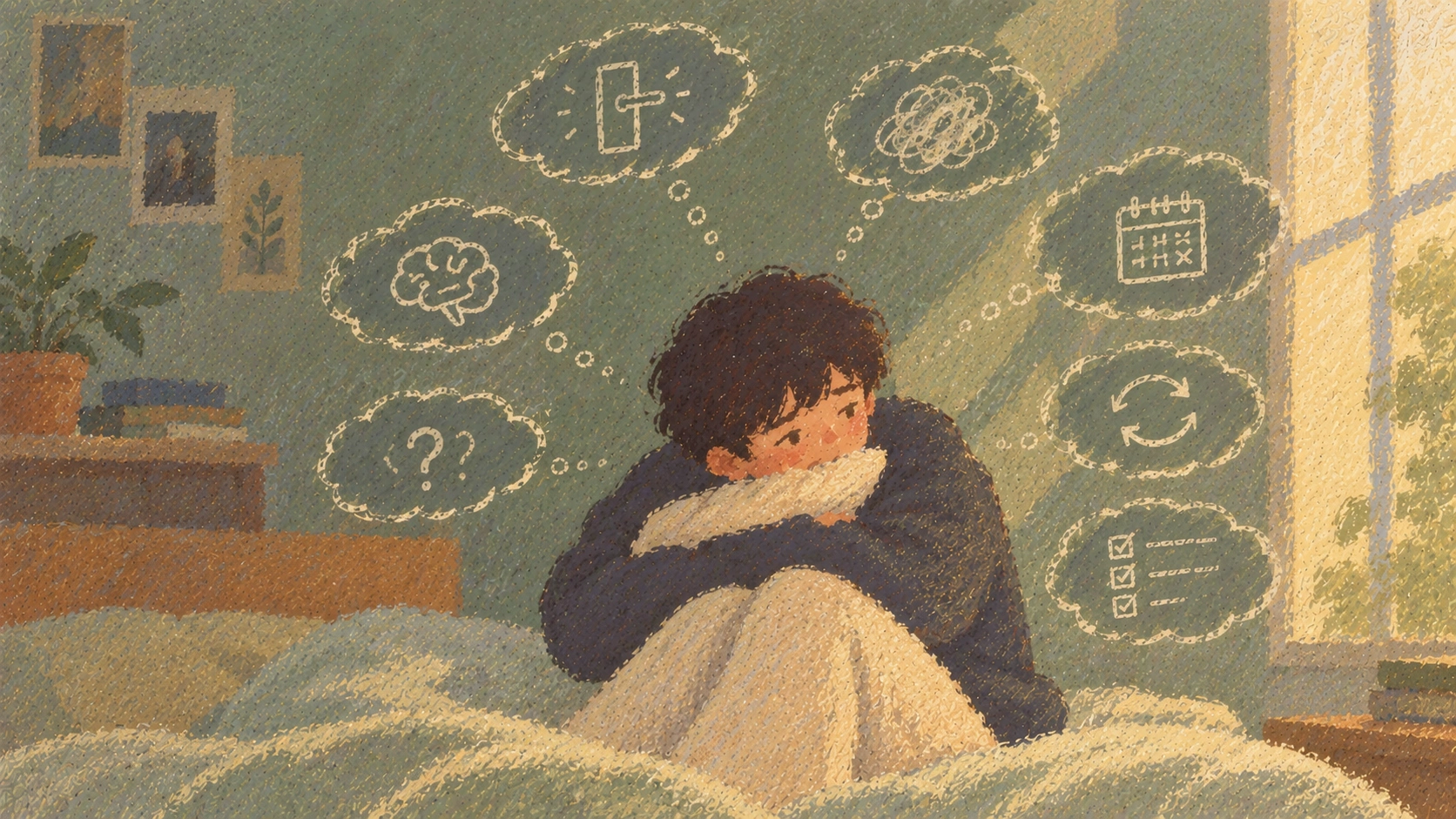

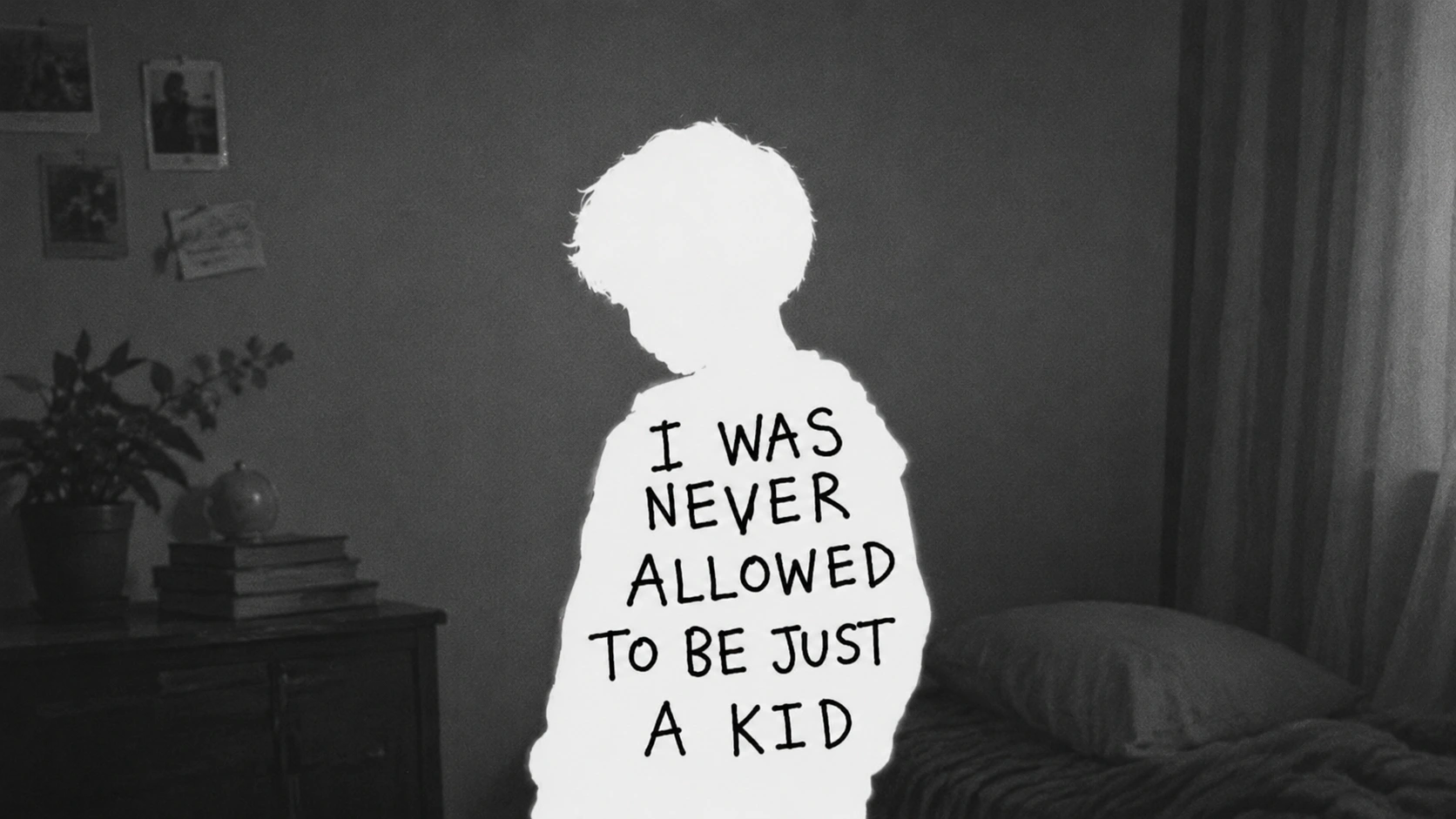
Our childhood shapes our whole life. A happy kid grown up in a healthy environment will become a healthy adult. On the contrary, the kid who had an emotionally unavailable parent, has never felt safe in their house, or faced trauma at early stages of life will struggle as an adult too. Even if someone looks like they have it all put together, the signs of childhood trauma might be hovering over them, whether they identify it or not.
If you've ever wondered why certain situations make you feel more anxious than they "should," or why you struggle with things that seem to come easily to other people, it might be worth looking a little closer at your early years. Here's what childhood trauma can look like once it follows you into adulthood, and what you can actually do about it.
What is Childhood Trauma?
Childhood trauma isn't limited to the big, obvious events. Yes, it includes abuse, neglect, and the loss of a parent. But it also includes quieter experiences: growing up with an anxious or emotionally unavailable caregiver, being constantly criticized, witnessing conflict at home, or having to grow up faster than you should have because no one else was managing things.
What makes an experience traumatic isn't always the event itself; it's how unsafe, unseen, or unsupported a child felt while it was happening. Two kids can go through the same situation and come out with very different emotional imprints, depending on whether they had someone stable to help them process it.
What Are The Childhood Trauma Symptoms?
Childhood trauma doesn't show up with big signs, but it influences and shapes our personality; our daily habits, how we form relationships, and deal with stress or rejection. Some of the major symptoms of childhood trauma are;
- Having a Hard Time Trusting PeopleIf a child had emotionally unavailable or absent parents or caregivers whom they couldn't trust for their needs or couldn't rely on at early stages of their lives, then it would build a mindset that people couldn't be trusted and they can't really rely on anyone. They grow up to be adults who are waiting for people to let them down, even if they have no reason to think so.
- People PleasingPeople with childhood trauma tend to have the people-pleasing trait, as they constantly want to ensure that everyone is “happy” with them or they are not being inconvenienced. This also makes it hard for them to set healthy and clear boundaries even with the people they are not close with, like colleagues or roommates.
- Fear of AbandonmentIf a child was left by parents emotionally or physically, they may form a fear of abandonment. It will show at random moments like a delayed text, a cancelled meeting, etc., which may not look normal to others while causing severe anxiety and fear in them.
- Difficulty in Regulating EmotionsDifficulty in regulating emotions may be a sign of childhood trauma; you may find yourself reacting intensely or shutting down completely, without having a middle ground. It happens because you never felt safe enough to stay calm and develop healthy coping mechanisms.
- Forming Healthy RelationshipsThis one is the biggest symptom of childhood trauma. If you have grown up with unhealthy relationships and a toxic environment, you will eventually get attracted to those very similar traits as an adult as well. This may result in forming unhealthy relationships and surrounding yourself with people who may not be good for you.
- Chronic self-doubtIf you are frequently criticized, ignored, or made to feel like a burden, that voice doesn't disappear; it just becomes your own inner monologue. As an adult, you always second-guess your choices, struggle with making decisions, or follow your gut.
How Do You Know If You Are Struggling With Signs of Childhood Trauma?
Childhood trauma isn't something you can diagnose with a short list of symptoms; it would need professional guidance and help to know how it affects you and how to move forward without repeating the unhealthy patterns.
If you are looking for an easy way to get started discovering the signs of childhood trauma and how it impacts your life, then you can take a proper childhood trauma test. Instead of guessing, a structured self-assessment walks you through your early experiences and current patterns, then shows you how connected they might be.
It won't hand you a diagnosis; that's for a licensed professional, but it's a solid starting point for self-understanding. Infiheal offers a free, private self-assessment along with an AI companion called Healo, built specifically to help people reflect on patterns like these without judgment, before deciding whether deeper support makes sense.
Moving Forward
Healing childhood trauma was never about erasing what happened. It's about understanding it clearly enough that it stops quietly steering your choices, your relationships, and how you see yourself. That shift doesn't happen overnight, and it doesn't have to happen alone.
Whether you're just starting to connect the dots or you've known for a while that something from your past still lingers, Infiheal gives you a low-pressure place to begin, a self-test to understand yourself better, an AI companion for the days you need to talk things through, and real therapists when you're ready for more. You didn't choose what happened to you as a child. But you do get to choose what happens next.