

Introduction
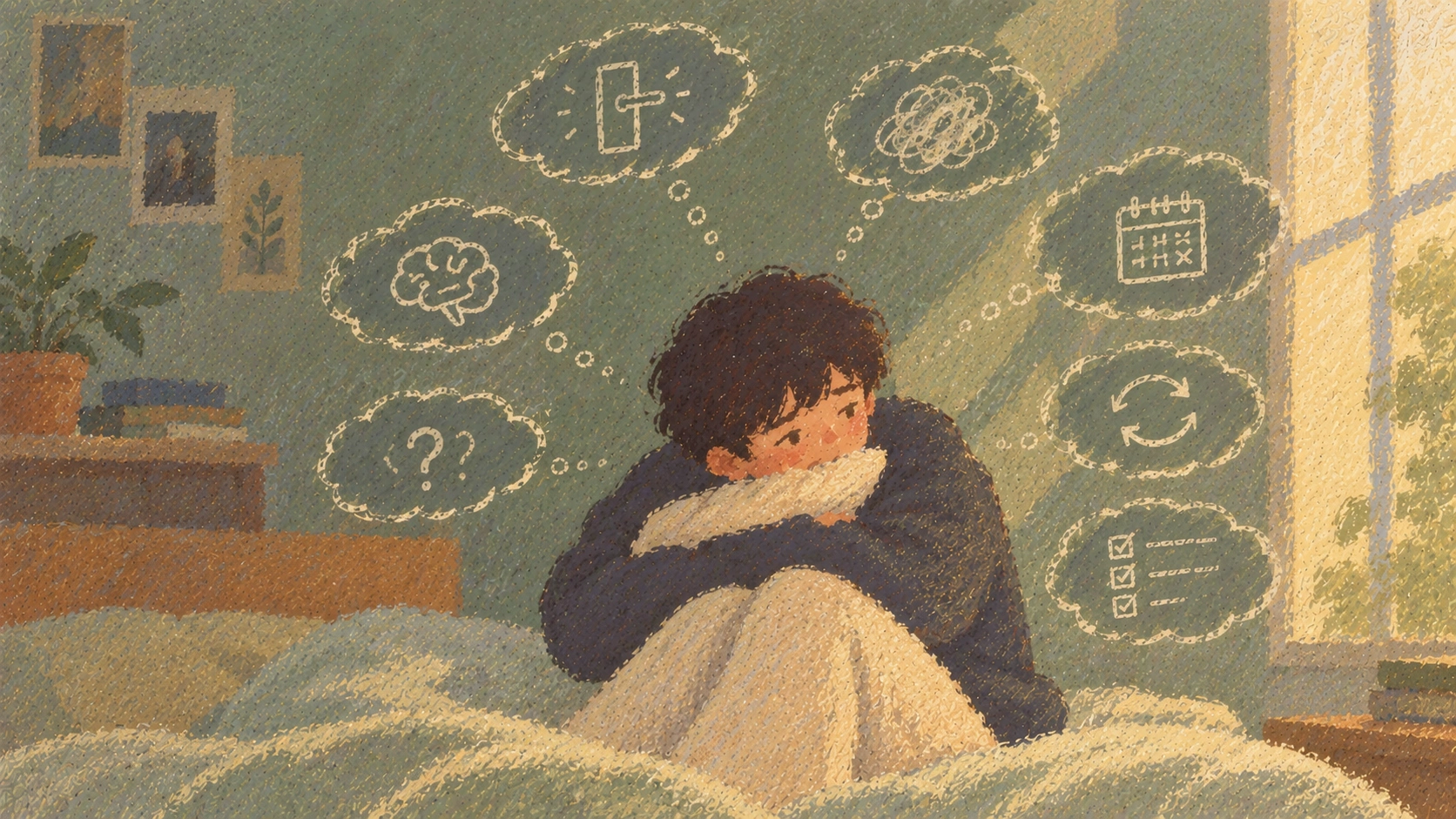
Mood swings are not so rare; we all deal with them sooner or later. Some recognize the pattern of their mood swings, while others may think they are being too emotional! It happens more often than we want to. However, there are some whose “mood swings” are worse than normal. They may not be able to understand why they are fine one moment and lose it all in the other moment to become a completely different person. This condition is called Borderline Personality Disorder by psychologists.
The borderline personality disorder symptoms are much more severe than regular mood swings and should be treated as such too. But the catch is, people should be diagnosed properly by a psychologist or therapist with BPD before they start looking for recovery.
If you are struggling with intense mood swings that are affecting your relationships, work, and life in general, then it might be time to take a step back and look at what you are actually struggling with.
This article talks about the key differences between mood swings and borderline personality disorder so you can understand the basics of it before looking up psychologists near you.
What Are Mood Swings And How Do They Affect You
Mood swings are basically shifts in how you're feeling, and honestly, almost everyone has them. Bad sleep, low blood sugar, an annoying email, hormones doing their thing; any of these can flip your mood without much warning. Usually, though, there's a reason, even if it's a small one, and it passes. A few hours later, you're back to normal and probably won't think about it again.
On their own, mood swings aren't a disorder. They're just... life. Being cranky on a Monday doesn't mean something's wrong with you.
Borderline Personality Disorder.. How is this Different from Regular Mood Swings?
Borderline Personality Disorder may have similar symptoms of mood swings on the surface level, but it is way beyond that.
NIH describes BPD as a serious mental health disorder where a person struggles with intense emotions and how they feel about themselves and others. This affects their personal relationships and overall quality of life in a much more severe manner than just mood swings. A person with BPD may go through emotional turmoil over cancelled plans where they feel abandoned by their friends or family. An argument with their partner may feel like the end of the relationship.
BPD is an actual diagnosable mental disorder, unlike mood swings, and it needs to be addressed by the patient with the help of a professional psychologist.
Common Borderline Personality Disorder Symptoms
Knowing the actual BPD symptoms can help separate this from your average bad mood. Some of the more common ones:
- A pretty intense fear of being abandoned, even when nobody's actually leaving
- Relationships that swing between "this person is amazing" and sudden, sharp disappointment in them
- A sense of self that shifts; goals, values, even identity can feel unstable
- Impulsive choices around spending, driving, eating, or substance use
- Feeling of chronic emptiness that's hard to shake
- Anger that feels genuinely difficult to control
- In more serious cases, self-harm or suicidal thoughts
- Short episodes of paranoia or feeling disconnected from reality, usually when stressed
Having these BPD symptoms once in a while is completely normal, and it may not actually suggest that you are struggling with BPD. However, if these symptoms remain with you for a long period of time, you may want to see a psychologist to get a clear answer instead of self-diagnosing.
Not Sure If You Are Having Just Mood Swings or It Could Be BPD?
If you're still not sure whether it's regular mood swings or something closer to BPD, taking a quick self-assessment can help. Infiheal has free online tests for both, so you can get a clearer picture before deciding whether it's worth talking to someone. It won't hand you a diagnosis, but it's a decent starting point if you're feeling stuck.
The Takeaway..
If emotional shifts are happening often, feel intense, and are starting to affect your relationships, work, or how you see yourself, it's worth reaching out to a mental health professional. The same goes if you keep feeling an overwhelming fear of being left alone, notice impulsive patterns, or feel like your sense of self keeps changing under you. A therapist or psychiatrist can actually evaluate what's going on; something no article, including this one, can do.