

Perhaps a common assumption and general knowledge is that if you’re depressed, you’ll also be lonely. Or the vice-versa, that if you’re lonely, you’re more likely to be depressed. That assumption is based in truth, they rarely show up alone but rather depression and loneliness often show up together. In fact, it could be said that they actually reinforce each other.
Of course, it does not mean that if you are social then you cannot be depressed, but a common factor of depression is the desire to isolate yourself. Self-isolation, which leads to loneliness, is even considered a form of self-harm from some professionals because of how bad it can be for your mental health.
What Is Depression?
First, let’s define what depression is. It is more than just low mood. Rather it is persistent low mood, often characterised as at least lasting for 2 weeks. There are other symptoms, a lack of enjoyment, happiness or interest in past hobbies, major changes in energy, sleep or food intake, major increase in weight or decrease in weight are some of them. In extreme cases, it can also lead to thoughts of self-harm or suicide. Sometimes, this can be linked to the season in the case of seasonal depression or SAD (Seasonal affective disorder), it can also be linked to major life changes, or it can come out of nowhere. It can be treated through regular therapy and medication if needed, and mitigated through self-exercises although it is always better to speak to a professional.
If you’re wondering about depression, you can take a test to get answers.
Understanding Emotional Loneliness
Loneliness is a separate yet linked issue to depression. It is not simply the act of being alone, a lot of people can enjoy being alone or may have online relationships, or be satisfied with a small circle. Emotional loneliness is what happens when you feel internally isolated and cut off from everyone, disconnected, abandoned or unseen, regardless of your real social settings. You can have a very ‘active’ social circle or be constantly surrounded by people but still have a strong feeling of loneliness if you feel like they don’t truly get you or misunderstand you. It’s more about the actual connections you have with others and how deep they are rather than just the number.
How Depression and Loneliness Feed Each Other
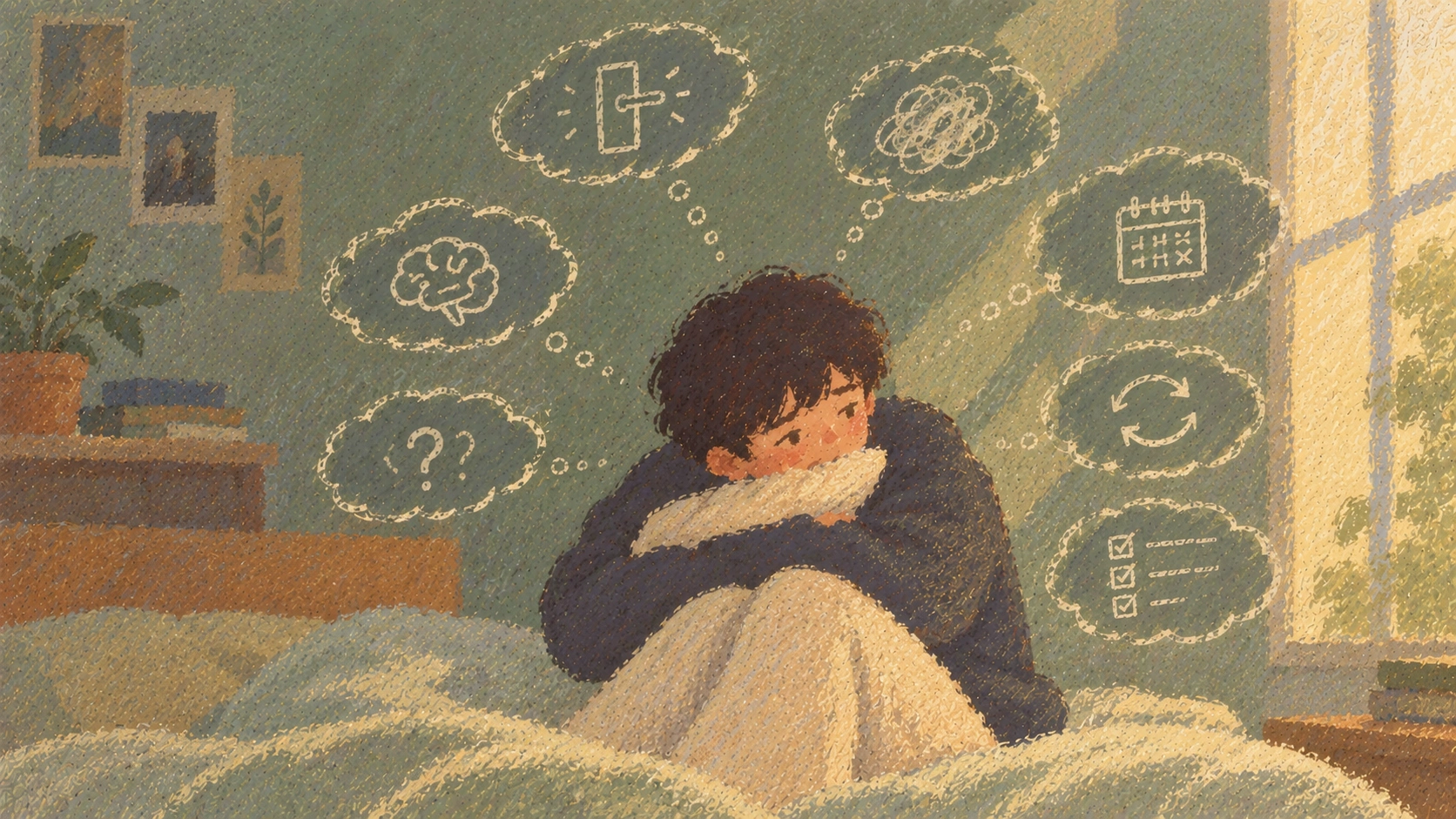
The worst thing about these two is how they tend to reinforce each other. It’s like being caught in a never-ending loop:
- Depression makes socialising feel impossible. Even texting someone to share how you’re feeling or replying can feel impossible
- Social withdrawal worsens loneliness. Even if the value of the social connections is poor, the more you withdraw and stop even trying to go out, the more it increases the chances of worsening your loneliness.
- Loneliness worsens negative self-beliefs. If you struggle with insecurities or poor self-esteem, loneliness makes this worse. It can make you think you are unworthy of relationships or a burden to others, which worsens feelings of depression.
- The cycle. This is a very repetitive cycle, because the isolation makes your self-worth drop, which makes you hesitate to reach out, which only worsens the loneliness and isolation, even without the person being conscious of it.
Trying to get out of this cycle means that both issues have to be dealt with, one alone cannot solve the problem.
Depression Symptoms to Watch For
Common depression symptoms may include many of these, often present for at least 2 weeks. But even one of these is a sign to look more closely at your mental health:
- Persistent low mood lasting most of the day. Present more days than not.
- Loss of interest in hobbies, work, or relationships that used to be important to the person.
- Constant low energy, even after getting rest.
- Any kind of change in sleep pattern, either sleeping more or less than usual.
- Any kind of change in weight or appetite, not being able to eat anything, eating too little, or eating a lot more than usual for the emotional comfort.
- Difficulty concentrating. Finding it difficult to focus, whether on work or educational activities.
- Struggling with low self-worth
- Drawing away from friends and family.
- The omega sign of depression. In some people, according to some theories, chronic melancholic depression can lead to a horseshoe or omega sign on the forehead in the form of wrinkles due to persistent furrowing of the brow.
How to Break the Cycle
It is always a good idea to speak to a professional like a counsellor, but some changes can also be made by yourself.
- Start with small social contact. If you can’t go out, or get on a call, you can just text someone. In today’s age, it can also look like just sending a meme to someone.
- Name the loneliness. Naming the issue can make it feel more manageable. To a friend, family member, or professional, even a journal rather than just pushing it down.
- Try and engage with sleep, movement, and routine. While this can seem exhausting to hear, they can actually help in making you feel a bit better even if they don’t cure or completely fix the depression.
Recognising even the small signs can help make the battle against depression and loneliness easier. Tools like Healo, an AI mental health chatbot, can offer a private space to check in daily, notice patterns in mood and isolation by tracking your mood, allow you to journal and give you a private and anonymous space to talk about your feelings.
Conclusion
Depression and loneliness are two sides of an ugly mental health coin, and often end up worsening each other in a self-sustaining cycle. Low mood leads to social withdrawal and social isolation, which worsens feelings of self-worth and leads to even more low mood and so on and so forth. Being able to recognise the symptoms early and taking small steps to improve can help your mental health.