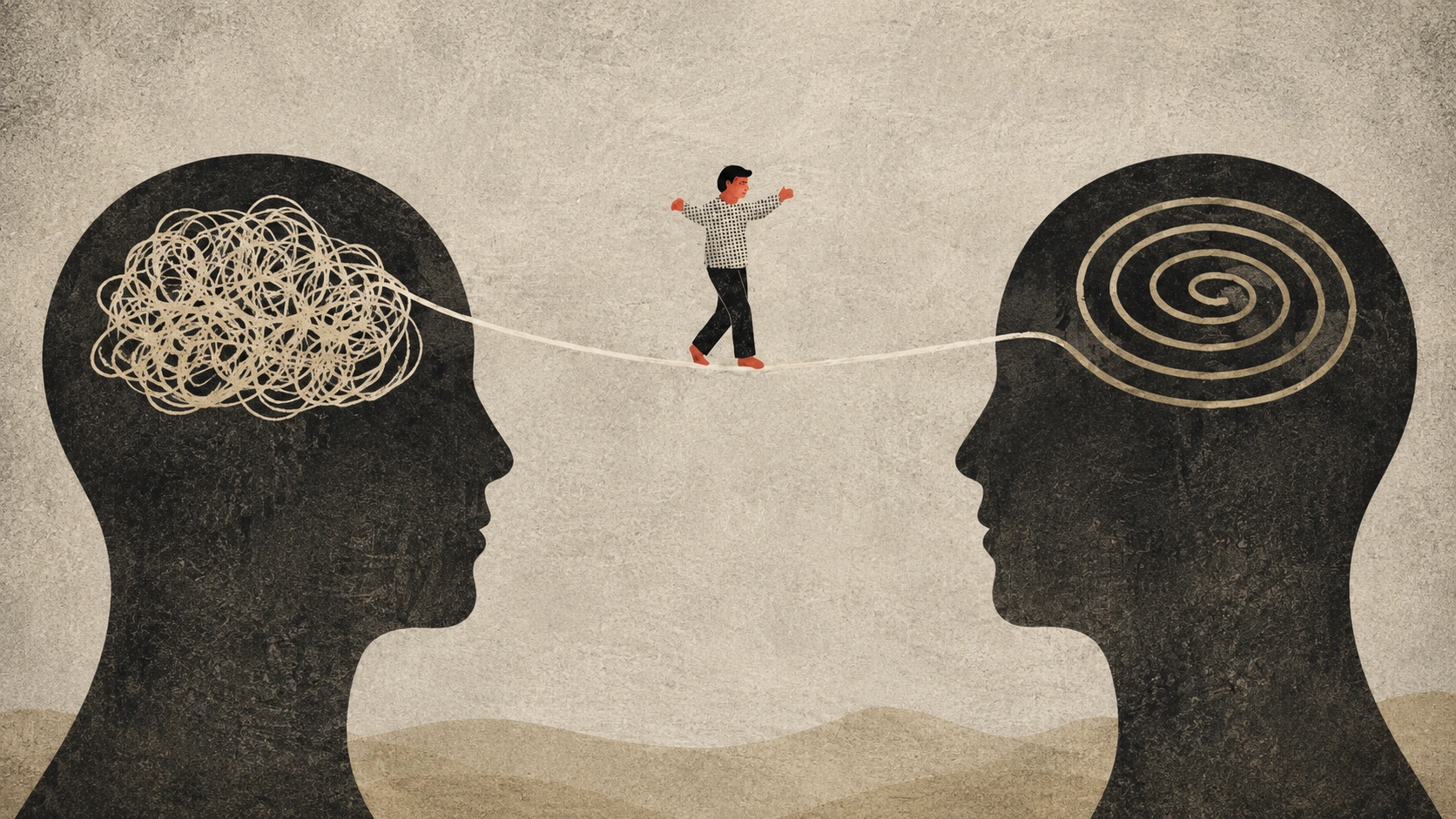


Going through something traumatic can be a harrowing and difficult experience in itself, and worse are the side effects and emotional impact of that situation. It can be difficult to actually open up about their trauma to people who love them or even society as a whole. For some, it could be about not causing distress to others, while for others it may be about fearing the way people will react, what they might say, whether they’ll be listened to and supported or just rushed and not allowed to sit with their emotions. That’s where trauma informed therapy comes in. A therapist is able to sit with your trauma and support you through processing it. Yet, nowadays more and more people turn to AI chatbots and LLMs as well, talking through their trauma in the middle of the night but why and does it help?
If you’re wondering if what you’ve gone through counts as trauma:
What Does Trauma-Informed Therapy Mean?
Firstly, what is trauma informed therapy. There’s no specific technique or approach that is taken for all people who have gone through trauma, in fact any therapist of any modality can be a trauma informed therapist. What it actually is the knowledge and awareness that when a client comes into a session, their experiences, reactions and emotions are inherently shaped by traumas in their life, whether known to them or not. It may influence how they react to the therapist or their techniques, they may shut down, be guarded, be aggressive or be complacent, it all comes from a reaction to past trauma and the desire to protect yourself.
Being trauma informed means being aware of this and not pushing a person to do more or say more then they are ready. Rather allowing the client to take things at their own pace, give them a safe space to process their emotions and be there for them through that process which can be quite long. Which brings into question AI, can a chatbot with memory and session limits, in addition to lack of non-verbal cues fully process trauma.
Why People Are Turning to AI for Support
Yet, why do people turn to therapy in the first place? There are many reasons, people still have a lot of stigma around mental health which means hesitation in seeking support or not considering that their problems are serious enough to seek professional support. If they do wish to seek it, it may be that there’s no therapists in their area, the therapists are too expensive or have too long waiting lists if they wish to go through public instead of private. They might have had a bad experience with a therapist in the past and don’t want to try again. Or, they don’t have the courage to sit with a person to talk about their issues, because it truly can be scary.
Talking to an anonymous chatbot who is available 24x7 with no wait times and at least no initial cost, who cannot judge you and tends to be more sycophantic, in addition to having access to all the world’s knowledge and your capability to prompt them to speak to you in any way, well it’s no surprise that people are turning to AI.
To read more about AI and mental health,
Can an AI Practice Trauma-Informed Care?
But the more important question is whether an AI can practice trauma-informed care. It’s a mixed bag. It certainly could have access to all the trauma-informed literature and case notes out there, it could also be prompted to maintain a trauma-informed approach and be non-judgmental and not rush disclosure. There’s also a lesser risk of projection from the part of the practitioner.
Yet, trauma-informed therapy is not only about what happens in a singular session or what is precisely said. It’s about noticing from one session to the next what causes the person to flinch or hold back, what topics are sensitive, when do they make eye contact, whether they try to make their body language bigger or smaller and trying to prompt the client or adjust your approach accordingly. Plus, the element of human discernment allows a practitioner to realise that just because they have a particular trauma does not mean they will react in the exact same way as others in similar situations.
Drawbacks of an AI as Therapist
As good as an AI chatbot might be, there will always be a few drawbacks. The first is regarding crisis situations. Navigating crisis situations whether that be self-harm, suicidal ideation, or abuse is rarely about the people actively disclosing it but more about the more subtle ways they say and express these situations. Non-verbal cues often play a key part in navigating these situations, and that is something that a chatbot might not be able to discern, and even if they do, they may be limited in how to navigate it. Of course, people put in fail safes for precisely these reasons to trigger safety flows, yet those flows have their own drawbacks. To be safe, they can’t always differentiate between active risk or passive and past risk, which might lead to false activation of these flows. When it comes to trauma, people may need to talk about these things to process what happened to them, and facing that kind of barrier might make the process more difficult.
Additionally, while a lot of chatbots are improving their memory from one session to the others, it is not the same as building an actual therapeutic relationship from one session to the next. To be able to follow-up, build a bond and understanding through the therapeutic process, even through occasional and relevant disclosure by the therapist, they all help build a bond which allows people to process their trauma better. The same bond would allow the practitioner to remember and build upon what works for a client or does not, and to go beyond standard practice.
If you wish to speak to a human therapist,
Where AI Can Help
That doesn’t mean there’s no space for AI. They can be really useful in providing an entry point to talking about your mental health or trauma. It’s definitely a more affordable and accessible option, especially if you have financial, geographic, or linguistic barriers. It’s also available all the time, so it can help when you’re in the worst of a situation, where it may not be possible for you to get in touch with a therapist immediately. Where it can be really useful is also between therapy sessions, a human can be involved in the oversight to ensure that nothing serious is missed but you’re also able to get support and track your mental health in the meantime.
Conclusion
Trauma-informed AI can offer real, meaningful support, consistency, availability, and a judgment-free space to begin processing something difficult. But it works best as a companion to human care, not a replacement for it, especially where deep trauma is involved. The most honest answer to whether chatbots can handle sensitive mental health conversations isn't a simple yes or no. It's that they hold a significant place in the overall mental health support to the person, but it’s important that there is human oversight and involvement.