

Introduction
“Maybe It’s Not Just You”
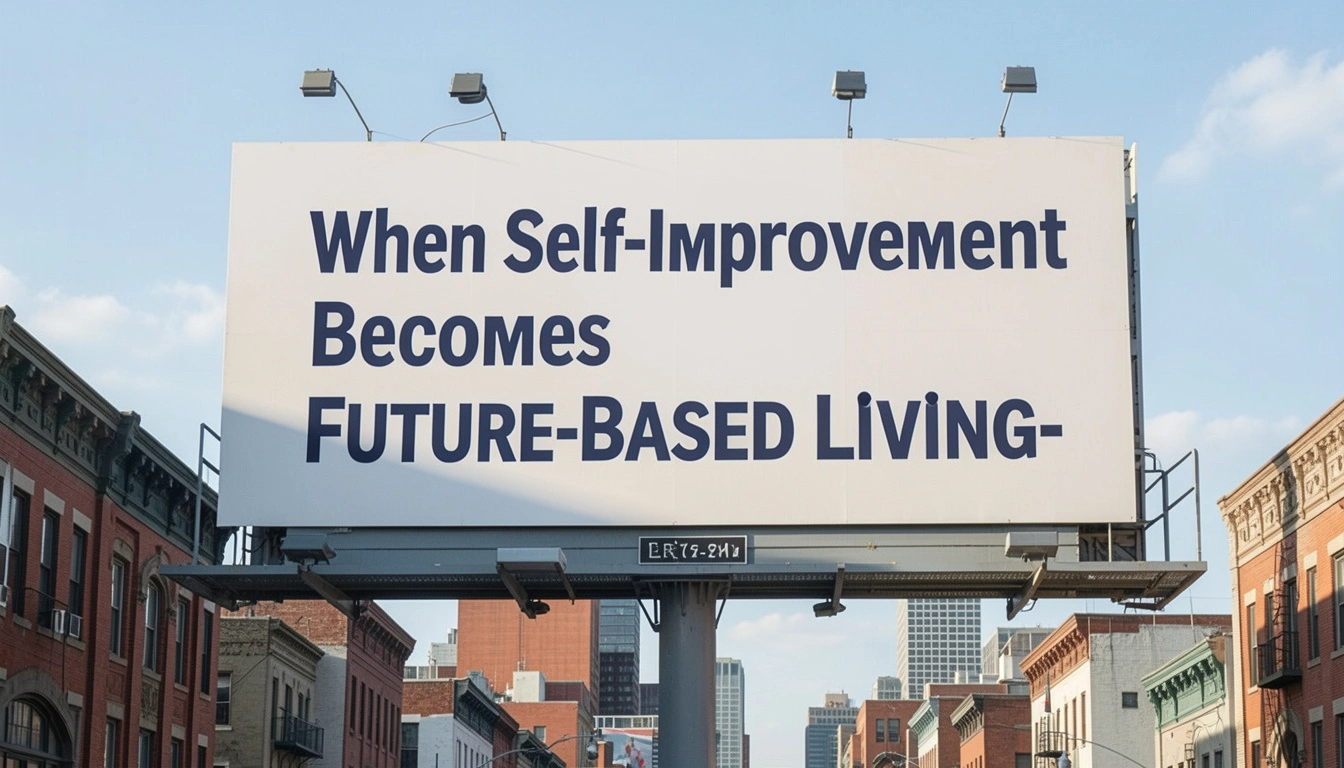
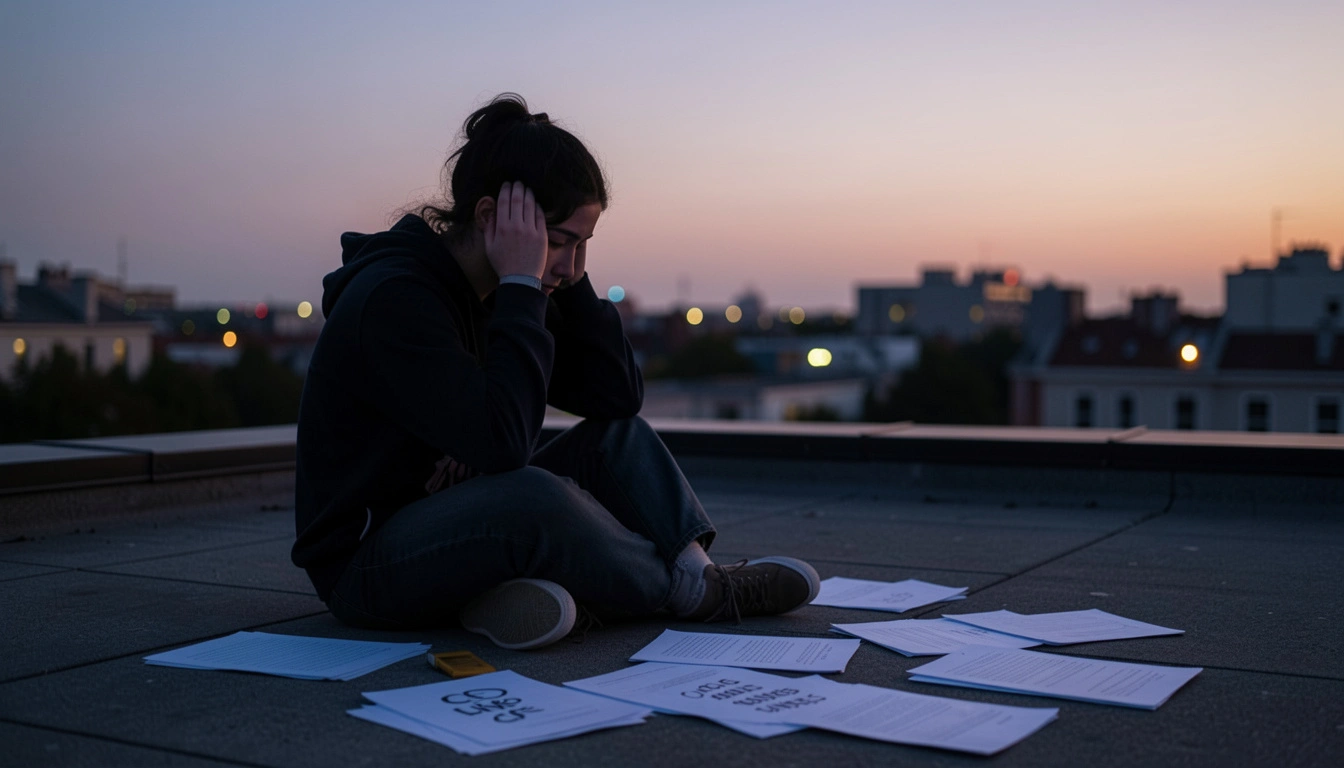
Almost everyone today feels late to something.
Late to success. Late to relationships. Late to financial stability. Late to healing. Late to “figuring life out.”
Even people who seem successful often privately feel inadequate, exhausted, or like they are failing some invisible timeline.
Why does modern life create the persistent feeling that we are falling behind even when we are constantly working?
The Age of Infinite Comparison
Social comparison is not new. It has existed ever since we came into picture. Humans were living in smaller communities and had access to limited information about their tribe. What’s new is the scale, frequency and the intensity of comparison.
A person sitting in a tier 2 city in Africa or India has access to the world’s richest lives living in first world countries. We compare ourselves to thousands of curated lives everyday without realizing the context of different ecosystems that we are a part of. Many of the ideals, lifestyles, success metrics, beauty standards, and productivity norms amplified online are shaped by affluent, urban, and often Western cultural frameworks.
Even when content is created locally, it often reflects globalized ideals around beauty, productivity, independence, luxury, and achievement.
As a result, many people begin evaluating their lives against standards that may not even match their social, cultural, or economic realities.
The psychological impact is profound: our brains interpret repeated exposure as evidence of what is “normal,” even when those lifestyles are statistically rare or structurally inaccessible.
This creates a quiet but persistent feeling of inadequacy: “If this is normal, why does my life feel so far behind?”
When one sees content that accepts and encourages 22 year old founders, people travelling around the world constantly, not having a 9-5 job, they normalize that lifestyle as the “standard”. And when their lives don't match that, they avoid putting up content that involves daily chores, job stability, travelling for work or just walks with friends because they see that as “boring”. As a result, we’re all striving to work for a life that might be structurally and culturally impossible to achieve.
But unless we realize that, we’ll keep feeling that we’re the last ones in the race.
What Happens When We Stop Measuring Ourselves Constantly?
You’ll find hundreds of blogs on the internet telling you to stop comparing yourself with others. But it’s not that easy is it? Every piece of content on the internet is showing you a different face, maybe like someone who has a better life than you. At that point, it’s very difficult to turn off your brain’s thoughts about your own insufficiency and remind yourself that social media isn’t real and that I’m not actually behind, we just exist in different timelines.
If you can do that, kudos! Because it’s really not that easy.
But if you can’t, here are some actionable things you can try practising-
- Audit the Environments That Trigger ComparisonMost people think comparison is purely internal, but it is also environmental. Our brains adapt to whatever we repeatedly consume. If most of our digital exposure involves hyper-productive creators, luxury lifestyles, achievement announcements, and curated routines, our baseline for what feels “normal” slowly shifts. A useful exercise is to notice which accounts leave us feeling: rushed, inadequate, unproductive and emotionally behind
- Stop Using Other People’s Timelines as Evidence About Your Own LifeOne reason comparison creates anxiety is because people unconsciously turn other people’s progress into proof that they themselves are late.A practical shift is replacing timeline-based thinking with capacity-based thinking. Instead of asking: “Am I behind?” Ask: “What is realistically sustainable for me right now?”
- Create Achievement-Free Spaces in Daily LifeMany people no longer know how to exist without optimizing themselves. Even hobbies become content, healing becomes productivity, and rest becomes something to “earn.” Psychologically, this keeps the nervous system in a constant state of performance. A healthier alternative is intentionally creating spaces where achievement is irrelevant. Examples: walking without tracking steps, reading without summarizing insights, spending time with friends without documenting it, engaging in hobbies without monetizing them and taking breaks without multitasking
- How Healo Can HelpHealo can act as a space for emotional reflection during moments of overwhelm, anxiety, or comparison. Instead of pushing constant productivity or “fixing yourself,” Healo can help users: check in with their emotional state, process anxious thought spirals, understand patterns of self-comparison, reflect on burnout and pressure, build more self-aware coping mechanisms Sometimes people do not need more motivation. They need space to pause, process, and feel understood.