

Introduction
Every few months, the internet decides to declare a cure for stress. Starting from cortisol cocktails to dopamine detoxes and cold plunges, the internet seems to have explored a lot of innovative stress relief activities ways to reduce stress in people. But are people actually benefitting from these ideas?
“Stress” has become a buzzword over the past few decades. Psychologists have been studying it through controlled research. People have been seeing the word “stress” appear on every other video they see where a personal growth influencer is talking about how to reduce stress in life. But the most effective stress relief techniques aren’t necessarily the flashiest. They are the ones that help your brain and nervous system return to balance.
If you feel that you’re stressed right now, talk it out with Healo
Stress and Modern Day Threats
Your brain doesn’t know the difference between a tiger and an email
Yes, you heard that right. Stress has existed since the very early days of mankind, but it looked different back then. Earlier, one would develop stress after seeing a wild animal because they were afraid of their literal survival. This is where the famous “fight or flight” response comes from. In modern times, the threat which causes stress in our body might not literally be life threatening, but it’s surely perceived as that.
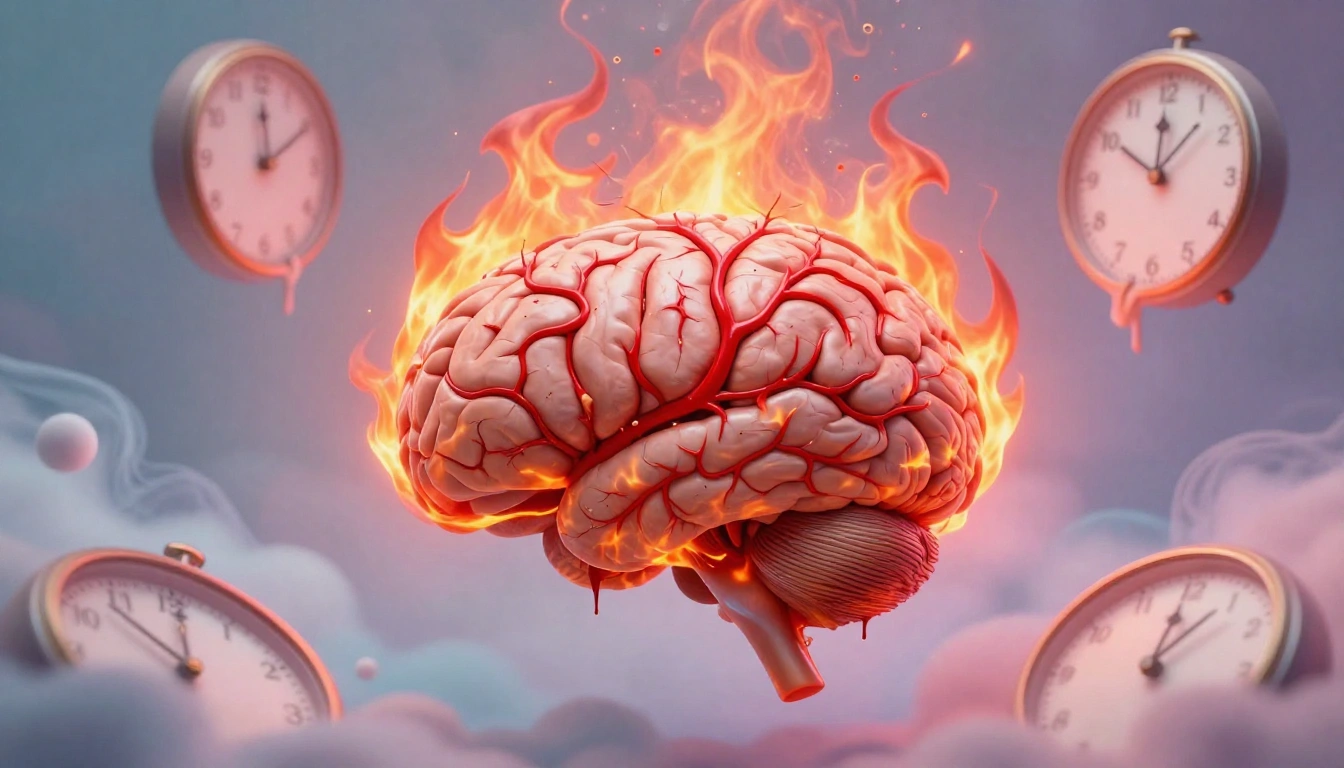
When your brain detects a potential threat, a significant part of your brain called amygdala, which is responsible for emotional significance and detecting threats, gets activated. This brain part signals other bodily actions to occur. So, when in stress, you’ll notice your heart beat rising, your attention narrowing and the presence of a sudden burst of energy. Stress hormones like the cortisol and adrenaline make this energy available for your body to deal with stress.
The interesting part is that your brain doesn’t reserve this energy just for physical danger. As times passed by, threats transformed from physical and survival based to more emotional threats. In today’s age, a looming deadline, an argument with your partner can also be seen as threats which can induce stress. Your body may respond with the same basic stress machinery even if there is no tiger to run from.
And that doesn’t necessarily mean your nervous system is overreacting. From its perspective, the threat is real enough to demand your body’s attention. The problem with modern day triggers is that you can’t really run away from it or fight it. So, the body remains highly activated long after the trigger has passed.
This tells us that stress is not really the enemy. And neither is your body’s nervous system. Our body is only doing its job of protecting us from the dangers of life in order to survive. The problem begins when the alarm bell keeps ringing even after you no longer need to be on high alert.
Three Psychology Backed Stress Relief Techniques That Actually Make A Difference
From what we’ve understood until now, we know that stress is a normal part of life and it happens to everyone. So, there is no running away from it. However, one can find a way to deal with this stress. Finding effective stress relief is not about chasing the latest wellness trend. The right stress relief activities and stress relief exercises can help your mind and body regulate, recover and respond to everyday stressors effectively. If you’re wondering how to get relief from stress, here are three psychology backed techniques that can actually make a difference-
- Reframe the Alarm to “My Body is Preparing Me”One of the strangest things about stress is that the symptoms of stress itself start causing us more stress. Before an important presentation, if you find your palms sweating and your body temperature rising, you’ll start interpreting it as proof that you aren’t ready. Psychological research suggests that changing the way we interpret these symptoms can alter how we experience stress. This is known as stress reappraisal. Studies by psychologist Alia Crum and colleagues show that people who view stress as potentially functional rather than harmful show more adaptive psychological and physiological responses under pressure. Try this stress relief exercise the next time your body goes into overdrive: Instead of saying “I’m so anxious. I can’t handle this” Try saying “My body is giving me energy because this matters to me”
- Give Your Worry A Deadline Instead Of Trying To Stop Worrying“Don’t Worry” and “Just Stop Overthinking” is possibly one of the least useful pieces of advice you might have received. If it were that easy, everyone in the world would have been stress free. Trying not to think about something can make that thought even more persistent. Instead, try doing something different: schedule your worrying. Set aside 15-20 minutes of your day as your scheduled worry time. When a stressful thought appears outside that period, write it down and tell yourself: “I’m not ignoring this, i’ll worry about this at 7pm” When your worry window arrives, go through what you’ve written and separate it into two categories. The first category is about worrying about the things you can control. Identify that and think about what you can realistically do about it to reduce your stress.The next category is worry about things that are outside your control. Your job here is to accept the uncertainty and helplessness that comes with it rather than trying to manufacture an answer. For example, if you have an exam next week and find yourself worrying about it, firstly, schedule a time to think about this. Then, categorise your worry into worrying about outcomes that are in your control (your preparation) vs outcomes that are not in your control ( difficulty of the exam). After you have categorised it, spend some time thinking about how you can reduce the worry about outcomes that are in your control, in this case- making a study timetable to increase your preparation would help. Lastly, schedule a worry time for the outcomes that aren’t in your control so that it doesn’t take up your mental and emotional energy for the rest of the day.
- Stop Relying On Motivation: Build An If And Then PlanMost people have vague stress relief plans for dealing with stress: “I’ll take better care of myself” “I need to stop procastinating” “I’ll relax after work” The problem is that stress increases when we set these vague intentions. Psychologists believe that setting more specific intentions would actually decrease stress. They call it an implementation intention, which can look like connecting a specific stressful situation with a specific response. For example: “If I notice myself re-reading the same email for the 5th time, I’ll step away for a few minutes” “If I get home feeling overwhelmed, I’ll spend some time regulating before getting to the chores” Why does this work? Because you’re making the decision before you feel overwhelmed. The stressful situation no longer requires you to figure out what to do from scratch. For this technique to actually work, identify the most accessible and easiest thing to do when you’re in a specific stressful situation instead of making a 10 step stress management routine.
Conclusion
Stress relief isn’t about finding one perfect technique that makes every difficult feeling disappear. It’s important to remember that feeling stress is a part of being human. We can’t ever eliminate stress from our lives. But we can certainly stop it from running the whole show.