
What the Data Says About Mixing Digital and Offline Mental Health Care
Digital-first care solved a real problem. Waitlists, cost, distance, and stigma kept people out of support for decades, and something that answers at 2 a.m. removes most of those barriers in one move. That's not really in question anymore. What practitioners are actually working through now is more specific: once someone has that digital door open, what should happen on the other side of it? Two practitioner surveys published this year by Olander Earthworks, shed some light. You can also read our own publications here:
Adults Have Lost Their Screen-Free Time
The first survey, run in June 2026 with 121 U.S. mental health and allied practitioners, opens with a fairly stark number: 82% say adults today have noticeably fewer chances for unstructured, screen-free creative activity than they used to, and nearly half say far fewer. This is what practitioners are seeing across hundreds of client hours, a slow erosion of the kind of open-ended, hands-busy time that used to happen without anyone scheduling it. What's more interesting than the erosion itself is what practitioners describe happening when that kind of activity does show up in a session. Among the practitioners who actually use open-ended creative or tactile activities with clients, most describe a consistent two-step pattern: initial hesitation, followed by a fairly reliable shift into engagement. Adults tend to approach a blank sheet of paper or an unstructured task the way they'd approach being asked to play in front of strangers, a little embarrassed, unsure if they're doing it "right," quietly convinced this kind of thing is for children. But according to the surveyed practitioners, that hesitation gives way to real engagement in the large majority of cases once the activity actually begins. The hard part, in other words, isn't the activity. It's the first minute of it.
The Real Payoff
Ask these same practitioners what actually changes once a client settles into that kind of task, and the answer isn't really about the task at all. The most commonly observed shift is that clients start talking more openly, cited by more practitioners than any other change, with improved emotional access close behind. Practitioners describe a fairly consistent mechanism behind this: giving the hands something to do and the eyes somewhere to rest takes the pressure off direct, face-to-face conversation. The activity becomes a side door into talking, rather than a distraction from it. A person who finds sustained eye contact genuinely uncomfortable can often say something honest while their hands are occupied with clay or sand that they'd struggle to say while sitting still, being looked at, expected to perform disclosure on command. Asked where this kind of activity helps most, practitioners pointed overwhelmingly to emotional expression and easing anxiety, ahead of more abstract goals like building distress tolerance or interrupting repetitive thought patterns. That's a meaningful distinction. This isn't being used as a clinical technique on its own so much as a way of lowering the temperature enough that the actual clinical work, the conversation, the disclosure, the processing, becomes possible in the first place.
The Real Barrier to Focus
The second survey, conducted in May 2026 with 106 practitioners, asked a slightly different but related question: what actually blocks adult clients from focusing? The obvious guess would be screens, and digital interruptions did show up as a major factor, named by half of respondents. But it wasn't the top answer. Anxiety and racing thoughts came first, named by nearly two-thirds of practitioners, well ahead of the phone. That ordering matters, because it reframes a conversation that usually starts and ends with screen time. The common fix for a focus problem is a digital one: block the apps, put the phone in a drawer, take a scheduled break. Practitioners aren't disputing that screens are a real factor. They're saying the internal state a person brings to the phone, the racing thoughts, the anxious hum underneath everything, is the bigger obstacle, and it's one that removing a device alone won't solve.
The Body Moves First
Perhaps the most useful finding across both surveys is how practitioners describe adults actually entering a focused or engaged state in practice, and it runs backward from how most people assume it works. The common assumption is that motivation comes first: you feel ready, inspired, or in the mood, and then you begin. What practitioners describe instead, almost unanimously in their open-text responses, is closer to the reverse. Motivation tends to show up after a person has already started, not before, and the practical skill isn't waiting to feel ready, it's lowering the cost of beginning enough that starting becomes possible without readiness. The specific rituals practitioners describe clients using to make that happen tend to layer a few small elements together rather than relying on any single trick: a brief environment reset, like clearing a desk or putting the phone in another room, some kind of small physical or sensory action, a breath-based anchor, a single named goal, and permission for a low-stakes, imperfect start. None of these elements tends to show up alone. It's the combination, the layering, that practitioners describe as doing the real work of getting someone from stuck to moving.
Reading the Data
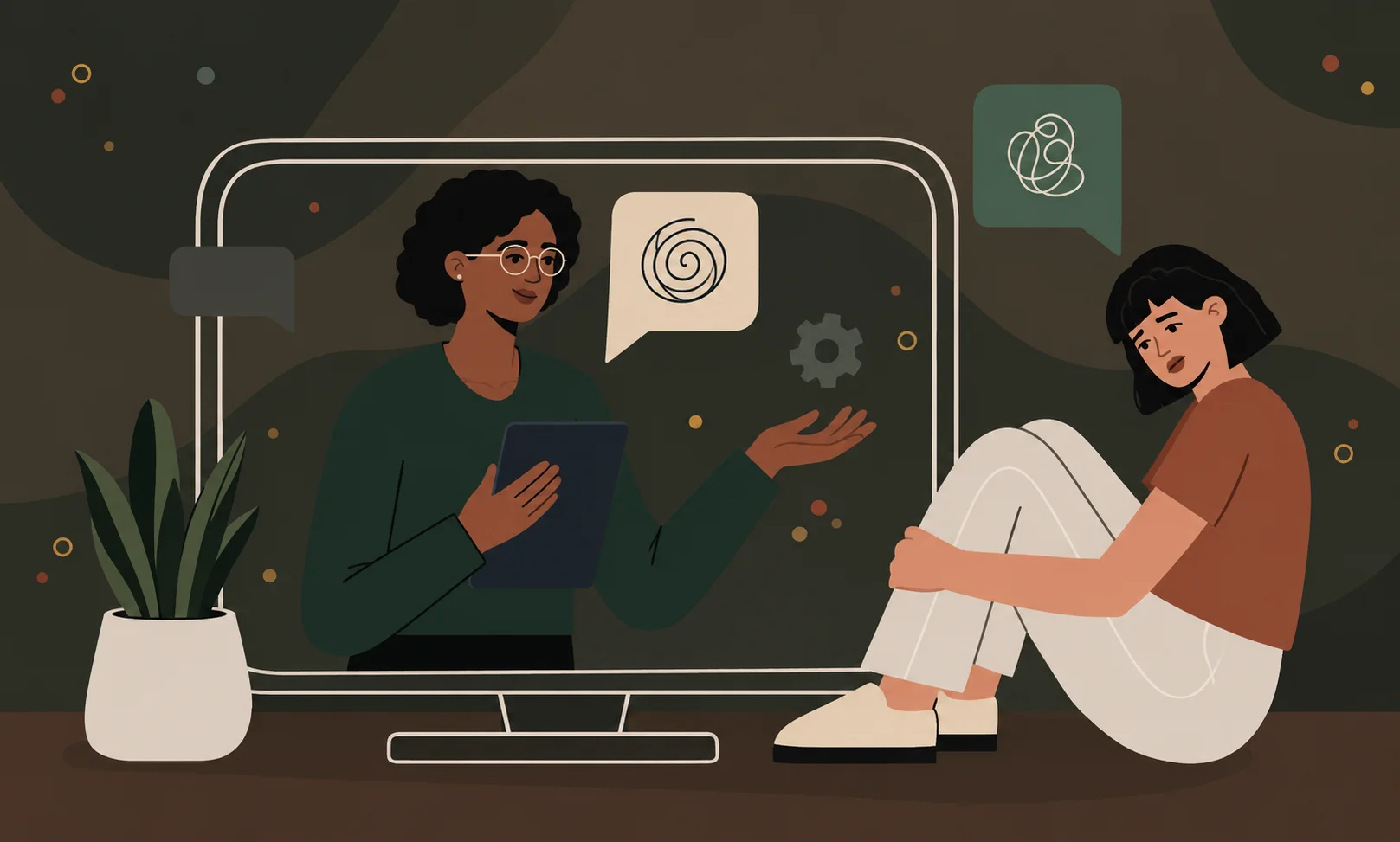
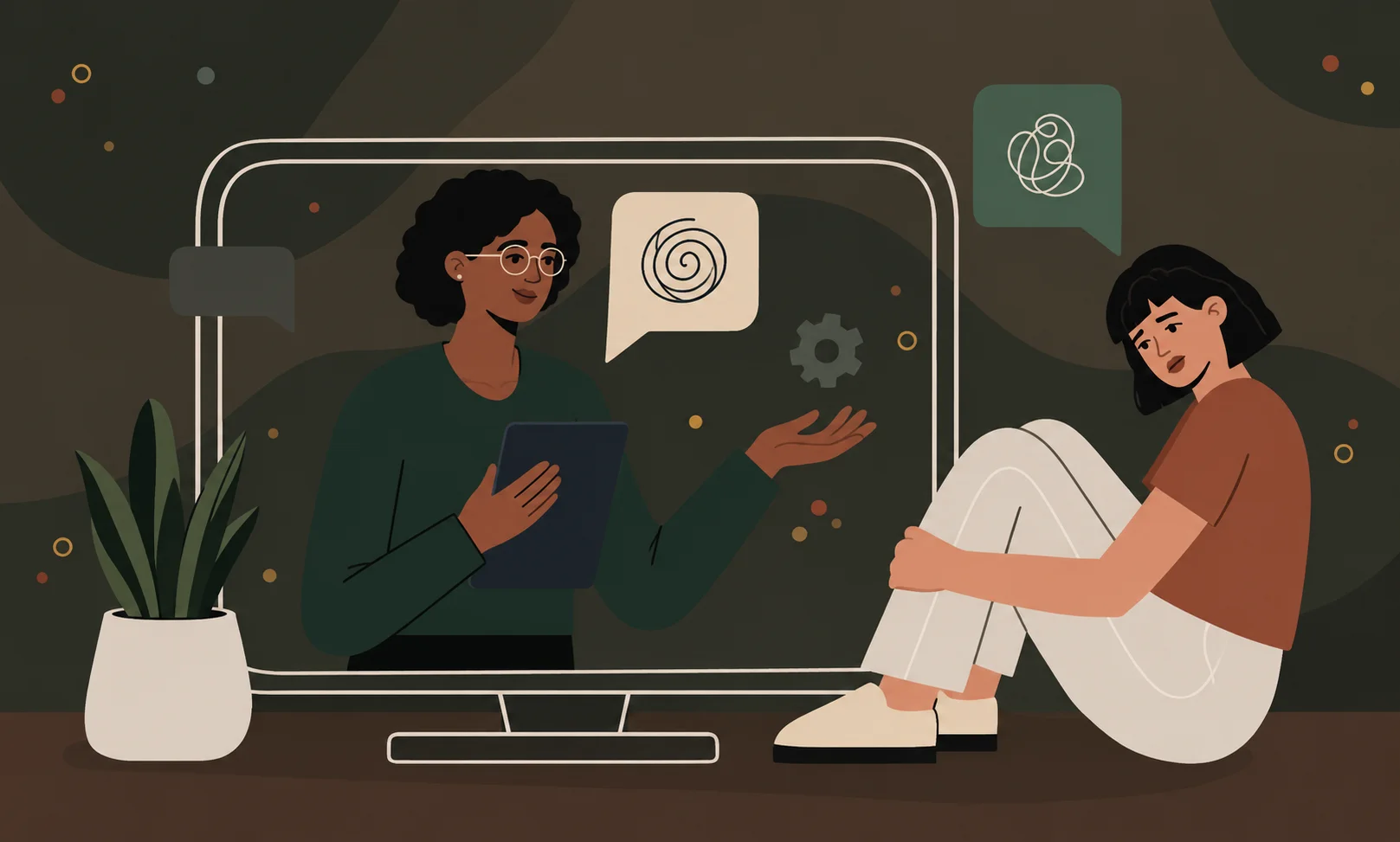
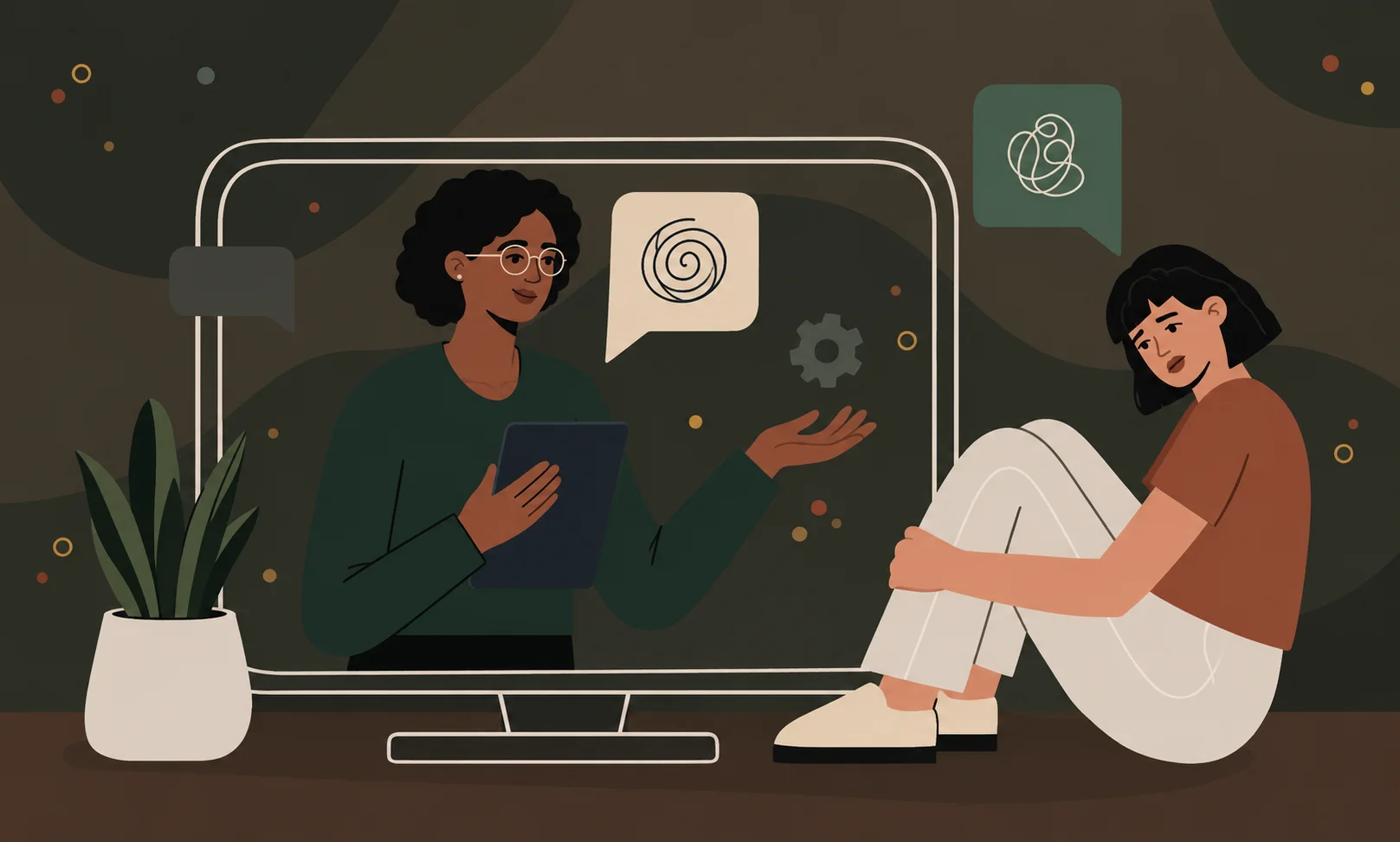
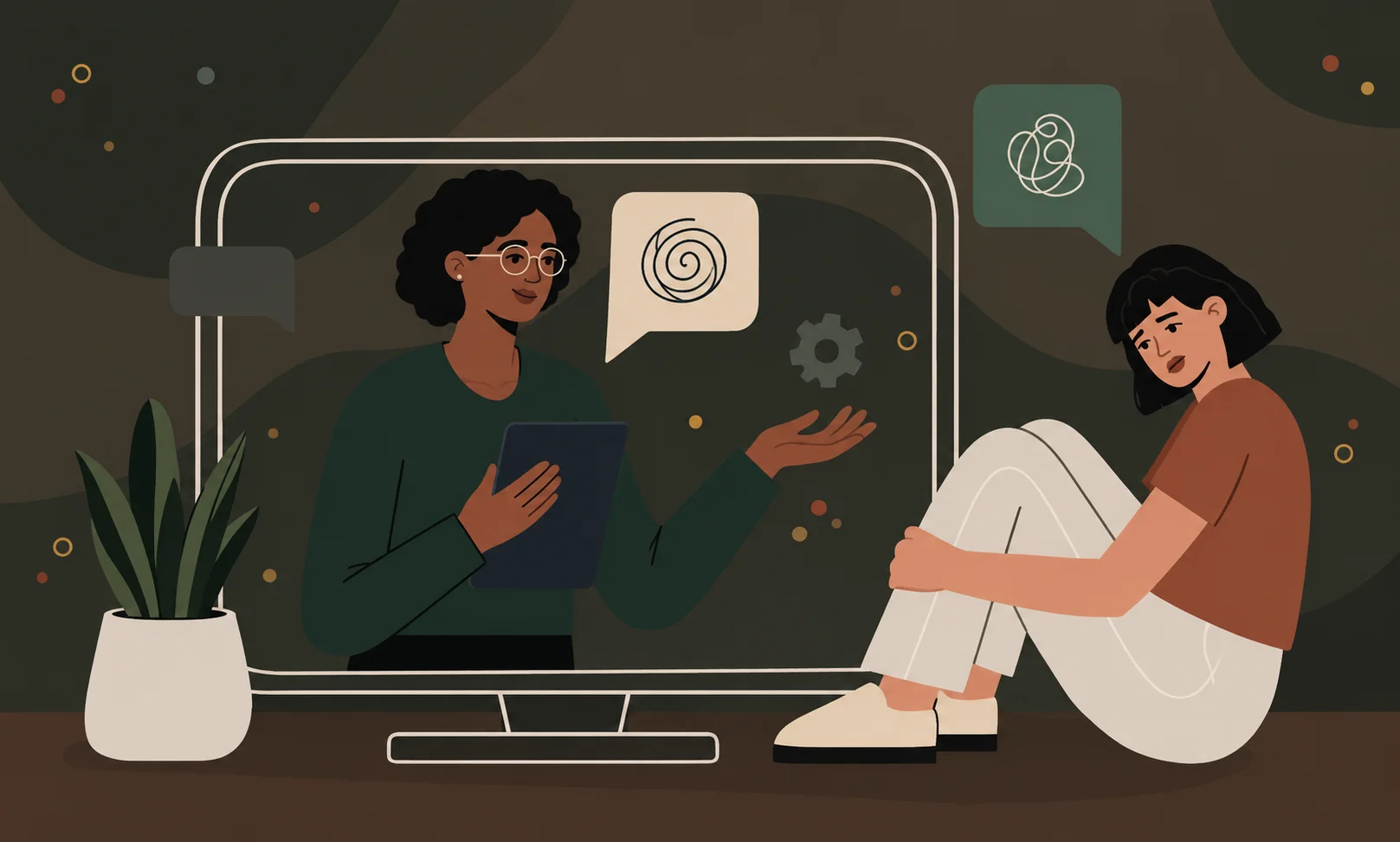
It's worth being direct about what these two reports are and aren't. Both are practitioner surveys, small, self-reported, and not nationally representative, yet, it's a reasonably consistent snapshot of what working clinicians are actually observing across real caseloads. Read that way, together, the two reports sketch a fairly coherent division of labour rather than a competition between digital and offline care. Digital tools are where people reach first, and they carry the continuity between sessions, the availability at 2 a.m. when nothing else is reachable, the low-friction first sentence that's often the hardest part of asking for help at all. The settling, the opening up, the shift from guarded to genuinely present, shows up most reliably, according to these practitioners, when the hands are occupied and the screen is off. Neither one replaces the other. The practitioners surveyed aren't choosing sides, they're sequencing: using a screen-free, tactile moment to lower the internal noise, then doing the actual talking work once that noise has quieted down.
What This Looks Like in Practice
For anyone building or using a digital-first mental health tool, that sequencing is less a threat to the model than a design note. A care approach that pairs a digital check-in with something as simple as ten minutes of screen-free, hands-busy time between conversations is borrowing the strongest part of what the offline side of this data describes, the same way offline practitioners borrow reach, consistency, and always-on availability from digital tools. This is part of why Healo, as an AI mental health chatbot, is designed to be a companion in the moments between more traditional support, not a replacement for either professional care or the kind of offline, embodied grounding these surveys describe. Talk to Healo, your AI companion → available 24/7, when you need somewhere to process what's on your mind, and pair it, where it helps, with something simple and screen-free, a short walk, a sketch, a few minutes with your hands busy and your eyes somewhere other than a screen, before or after that conversation. This intersection of digital support and simple, embodied practice is something Infiheal keeps returning to across its wellbeing resources, built around the idea that the two aren't competing categories but complementary parts of the same care.
Conclusion
Neither digital nor offline care wins this argument outright, because it was never really a contest. The practitioner data suggests something more specific: reach and availability come from digital tools, and the deeper settling that makes hard conversations possible tends to come from something screen-free and hands-on. The mix, not the choice, is what the working data points toward.