Most Popular Tests





What Are Emotional Intelligence Tests?
Emotional intelligence tests are psychological assessments that measure our ability to recognize, understand, and manage emotions both your own and those of others. Unlike traditional IQ tests, emotional intelligence (EQ) tests evaluate how well you handle interpersonal relationships, stress, and decision-making in social situations.
Our collection of emotional intelligence tests examines key dimensions like self-awareness, empathy, and social skills. Taking a free emotional intelligence test online can reveal how you process emotions and interact with the world around you, giving you insights that improve personal and professional relationships. Each test in our suite addresses specific emotional challenges from grief and anger to jealousy and FOMO helping you build a complete picture of your emotional health.
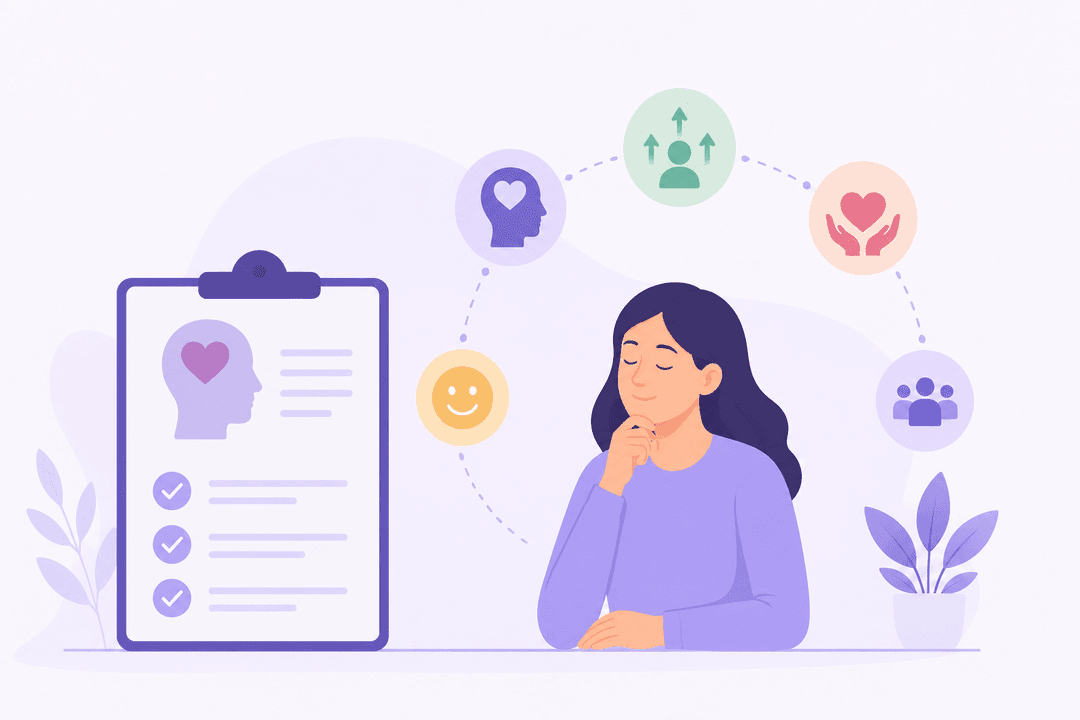
Take a Free Emotional Intelligence Test Online
Our free emotional intelligence tests are available right now and take just minutes to complete. Each assessment is designed to be quick, insightful, along with immediate actionable steps.
How Are You Coping With Grief?
Assess your grief response and find healthy coping strategies after loss
What's Your Anger Expression Style?
Understand how you express and manage anger productive or destructive patterns
How Deeply Do You Take Rejection?
Measure your resilience to rejection and social setbacks
Do You Struggle With Jealousy?
Identify jealousy triggers and learn to manage envious feelings
Does The Environment Stress You?
Evaluate how environmental factors impact your stress levels
Are You Heading Towards Burnout?
Recognize early warning signs of professional and personal burnout
Do You Experience FOMO?
Assess the intensity of your FOMO and its impact on wellbeing
Are You Functionally Frozen?
Discover if anxiety is preventing you from taking action
Benefits of Measuring Your Emotional Intelligence
Understanding your emotional intelligence brings real, measurable benefits to your daily life:
- Self-awareness. Most of us operate on autopilot, reacting without reflecting. A stress level test or emotions test reveals your blind spots and the patterns you didn't know existed. When you know your triggers, you can respond thoughtfully instead of reactively.
- Better relationships. Emotional intelligence directly affects how you connect with others. By taking an emotional intelligence test, you gain insights into your empathy levels, communication style, and conflict resolution abilities all crucial for healthier friendships and partnerships.
- Improved decision-making. Emotions influence every choice you make, from career decisions to financial commitments. Understanding your emotional patterns helps you separate genuine intuition from anxiety-driven impulses.
- Workplace success. Employers increasingly value emotional intelligence. Your ability to manage stress, handle rejection, and work with diverse personalities directly impacts your professional growth and leadership potential.
- Better mental health. Recognizing signs of burnout, FOMO, or chronic stress early lets you take preventive action. Our reaction test and emotional assessments help you catch problems before they escalate into anxiety or depression.
- Personal growth. Our emotions and reactions tests are not diagnostic, they're catalysts for change. Each assessment includes personalized insights to help you improve your emotional resilience.
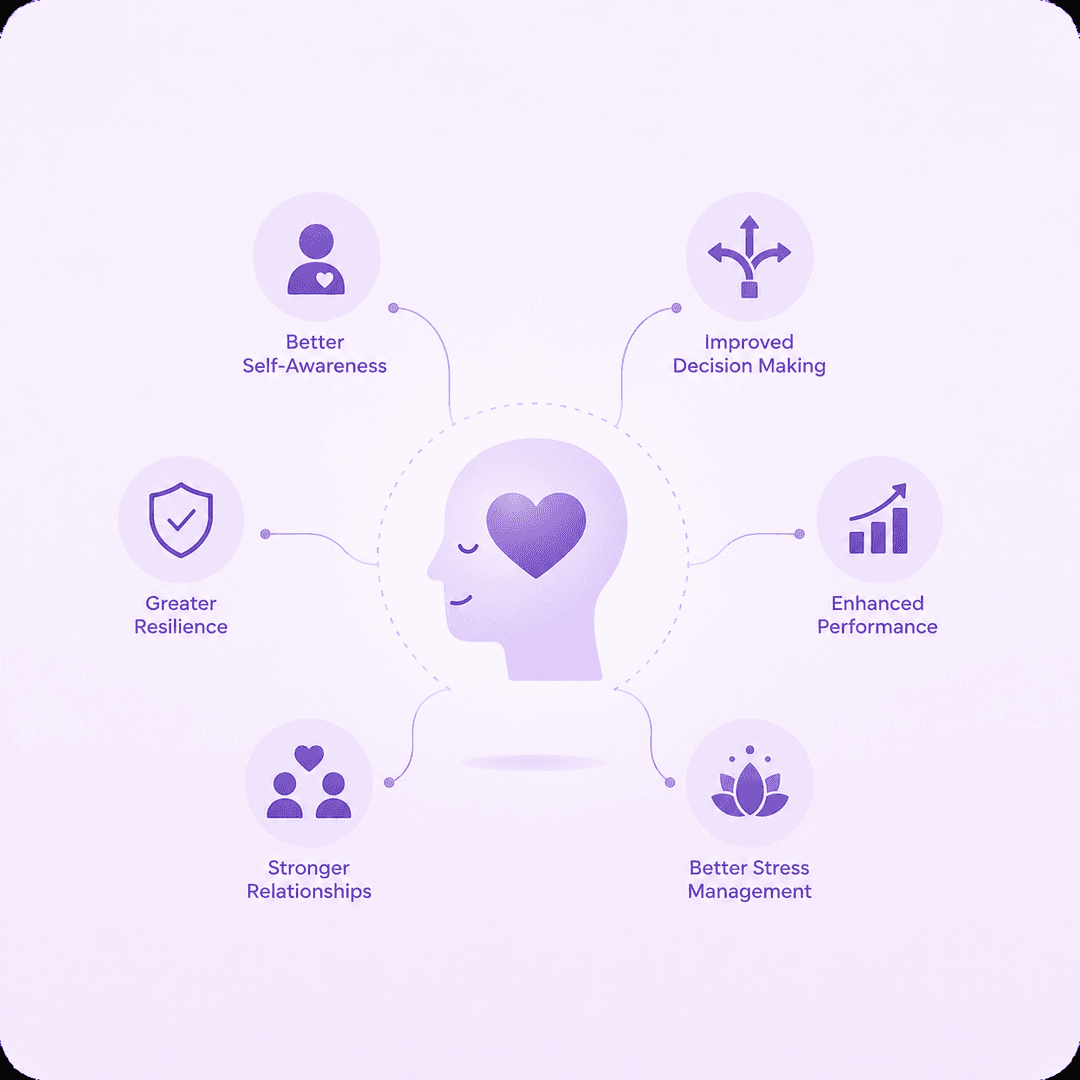
How an Emotional Intelligence Test Helps in Daily Life
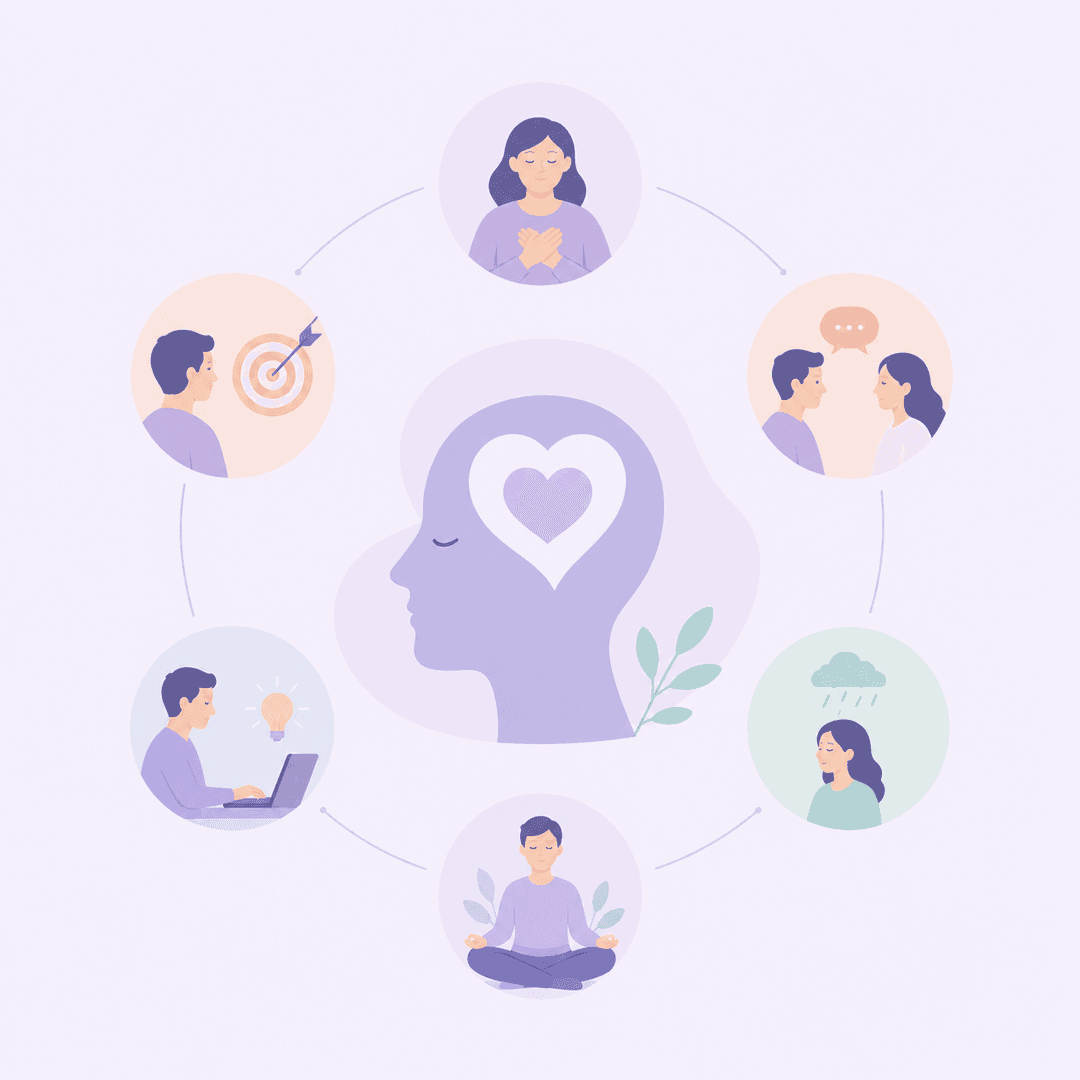
Emotional intelligence isn't abstract, it shapes how you navigate real situations every day.
- In conflict. When your partner disappoints you or a colleague frustrates you, emotional intelligence helps you pause before reacting. Instead of lashing out, you can articulate your feelings and listen to theirs. Our anger expression test reveals whether you tend toward healthy assertiveness or destructive patterns.
- In loss and grief. Everyone grieves differently. Our "How Are You Coping With Grief?" test helps you understand your emotional response to loss and whether your coping strategies are adaptive or potentially harmful.
- In social situations. FOMO, jealousy, and rejection sensitivity all stem from emotional patterns. By taking our free tests, you learn why you feel left out at parties, envious of peers, or devastated by small rejections. This awareness is the first step to change.
- At work. A stress level test reveals whether your job environment is sustainable or pushing you toward burnout. An emotional intelligence test can show whether you're functionally frozen stuck in analysis paralysis or moving forward decisively.
- In decision-making. Before making big life decisions, understanding your emotional state matters. Are you running toward something or away from fear? Is this a genuine opportunity or FOMO talking? An emotions test provides clarity.
What Is a Reaction Test and Why Does It Matter?
A reaction test measures how quickly and accurately you respond to stimuli both physical and emotional. In the context of our emotions and reactions tests, we focus on emotional reactions: how fast do you escalate? How do you typically respond under pressure?
Your reaction patterns reveal your stress tolerance, impulse control, and emotional regulation. Someone with a quick temper may have an intense anger expression style. Someone prone to freezing under pressure might be functionally frozen when facing decisions.
These tests matter because reactions drive outcomes. Two people facing the same rejection might react completely differently: one bounces back immediately, another spirals into self-doubt for weeks. By understanding your reaction patterns, you can:
By understanding your reaction patterns, you can:
- Anticipate your likely response before situations arise
- Build in pause points to choose your reaction rather than defaulting to autopilot
- Develop coping strategies tailored to your emotional style
- Communicate your needs to others ("I need time to process before discussing this")
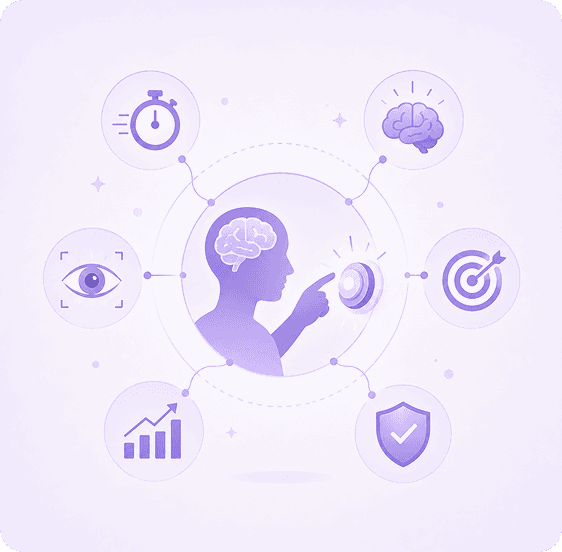
How Emotions Affect Your Reactions and Decisions

Your emotions and reactions are inseparable. When you feel stressed, you're more likely to react with anger or avoidance. When you feel anxious, you might make risk-averse decisions. When you experience FOMO, you might impulsively say yes to commitments you don't have time for.
The emotion-reaction-decision cycle:
Emotions are data. They tell you something matters to you. But if you're unaware of that emotion, it runs the show behind the scenes. You make decisions based on fear you didn't know you felt, react with anger you didn't acknowledge, or avoid situations that trigger hidden grief.
Our emotions and reactions tests interrupt this invisible cycle by making emotions visible. Once you see the pattern "I always get angry when I feel disrespected" or "I freeze when I face rejection" you can intervene. You might take a breath before reacting, or seek clarity about what you really want before deciding.
This is why an emotional intelligence test is so valuable. It's not just self-knowledge for its own sake. It's practical insight that changes behavior, which changes outcomes.
Who Should Take These Emotions & Reactions Tests?
Our emotions and reactions tests are for anyone seeking self-knowledge and growth. That includes:
People navigating major life transitions. Grief, loss, career changes, and relationship shifts all trigger emotional complexity. Our tests help you understand your unique emotional response and find healthy coping strategies.
Professionals feeling overwhelmed. If you're worried about burnout, chronically stressed by your environment, or struggling with pressure at work, a stress level test and burnout assessment can validate your concerns and point toward solutions.
People struggling with specific emotions. Do you wrestle with jealousy? Afraid of missing out? Devastated by rejection? Take the targeted test to gain insight into that specific emotional pattern.
High achievers managing procrastination, perfectionism or FOMO. If you're constantly comparing yourself to others or feeling like you're missing out, our FOMO test reveals the intensity of that pattern and its impact on your life.
Anyone experiencing decision paralysis. Our "Are You Functionally Frozen?" test helps you understand if anxiety is preventing action and why.
People in relationships. Understanding your anger style, empathy level, and emotional needs improves every relationship. Our tests give you language to communicate with partners, friends, and family about how you operate emotionally.
Anyone curious about emotional intelligence. If you've heard about EQ but never measured yours, a free emotional intelligence test online is a perfect starting point.

How to Improve Your Emotional Intelligence Score

Emotional intelligence isn't fixed, it's a skill you can develop. Here's how to improve after taking your emotional intelligence test:
1. Practice self-awareness. Before you react to anything, pause and name the emotion: "I feel angry right now" or "I'm anxious." This single habit interrupts autopilot reactions, then tracks whether your scores improve over months.
2. Develop your empathy muscle. Read literature that puts you in other people's shoes. Ask questions to understand others' perspectives before responding. Notice non-verbal cues in conversations. These practices strengthen the empathy dimension of emotional intelligence.
3. Regulate your emotional responses. After identifying your emotional style (your anger expression type, your grief pattern, your reaction to rejection), build coping strategies. If you're easily triggered to anger, meditation or breathing exercises help. If you freeze under pressure, practice micro-decisions daily.
4. Learn from a stress level test. If your assessment reveals environmental stress, look for sources: Is it your job, relationships, or both? What's one small change you could make? Reducing stress improves emotional baseline and decision-making.
5. Address FOMO and jealousy head-on. Take our FOMO and jealousy tests to understand the root: Is it fear of missing experiences, fear of not being enough, or social comparison? Once you identify the root, you can address it directly rather than white-knuckling through the feeling.ts as a starting point for reflection, not a fixed label
6. Build an action plan. Use the results from your emotional intelligence test and our other assessments to identify your top 3 growth areas. Focus on one at a time. Real change takes practice, not just insight.
7. Seek professional support if needed. Our tests provide insight, but a therapist or coach can deepen your understanding and help you build lasting change, especially for grief, anxiety, and burnout.
Tips to Reduce Stress and Improve Emotional Control
Emotional control doesn't mean suppressing feelings, it means responding wisely rather than reacting impulsively; these strategies help you manage it:
Establish boundaries. FOMO, overwhelm, and burnout often stem from saying yes to everything. Practice saying no to commitments that don't align with your priorities. A simple "I can't make that work" is complete.
Create a stress reset routine. When you feel stress rising, what brings you back to baseline? For some, it's a 10-minute walk. For others, it's music, exercise, or time alone.
Name your emotions. Emotions are less powerful when named. Instead of diffusing anxiety, you might identify: "I'm worried about Thursday's presentation." Specificity transforms vague dread into addressable concerns.
Practice the pause. Between trigger and reaction, insert a pause even 10 seconds. Take a breath. Ask yourself, "What do I actually need right now?" This gap is where emotional intelligence lives.
Track your triggers. Use insights from your emotional reactions tests to anticipate what sets you off. If rejection devastates you, plan ahead for how you'll handle the next setback.
Address chronic problems. If grief, anger, jealousy, or anxiety are persistent, emotional intelligence tests and tips alone aren't enough. A therapist can help you process these deeper patterns.

Understanding Your Test Results
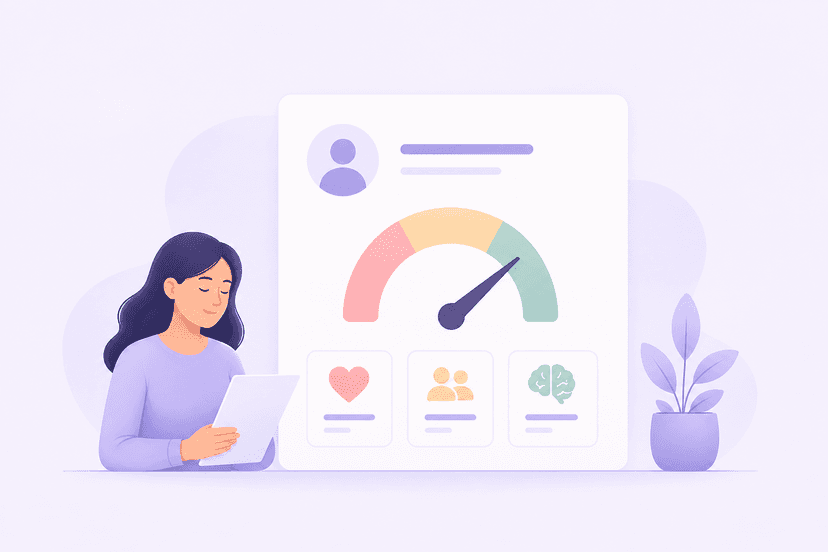
Each of our emotions and reactions tests provides a score and interpretation. Here's how to read them:
- What your score means. Each test places you on a spectrum, not in a category. A high grief sensitivity score doesn't mean you're broken, it means you feel loss intensely and may need more time and support to process it.
- Look for patterns. The tests reveal patterns, your personality, your blind spots. That insight lets you address root causes, not just symptoms.
- Talk to Healo. Your test results aren't a diagnosis or a fixed identity. They're a snapshot of where you are now. Use it to talk to Healo, to build up on your strengths.
- Retake tests to track growth. Take the same emotional intelligence test again in 3-6 months after working on the skills. Seeing improvement (even small improvements) in your scores reinforces that change is possible.
Why Take an Emotional Intelligence Test?
In a world that overvalues IQ and technical skills, emotional intelligence is the quiet advantage. People with high EQ:
- Navigate conflict without damaging relationships
- Manage stress and avoid burnout
- Make decisions aligned with their values, not driven by fear or FOMO
- Build deeper connections with others
- Recover faster from setbacks and rejection
- Lead effectively and inspire teams
- Experience greater overall life satisfaction
A free emotional intelligence test is the gateway to these benefits. You're not paying for a test; you're investing 10 minutes to understand yourself better. And understanding yourself is the foundation for everything else, better relationships, better decisions, better mental health.