 Infiheal Hosts Student Mental Health Seminar at New Horizon College of Engineering
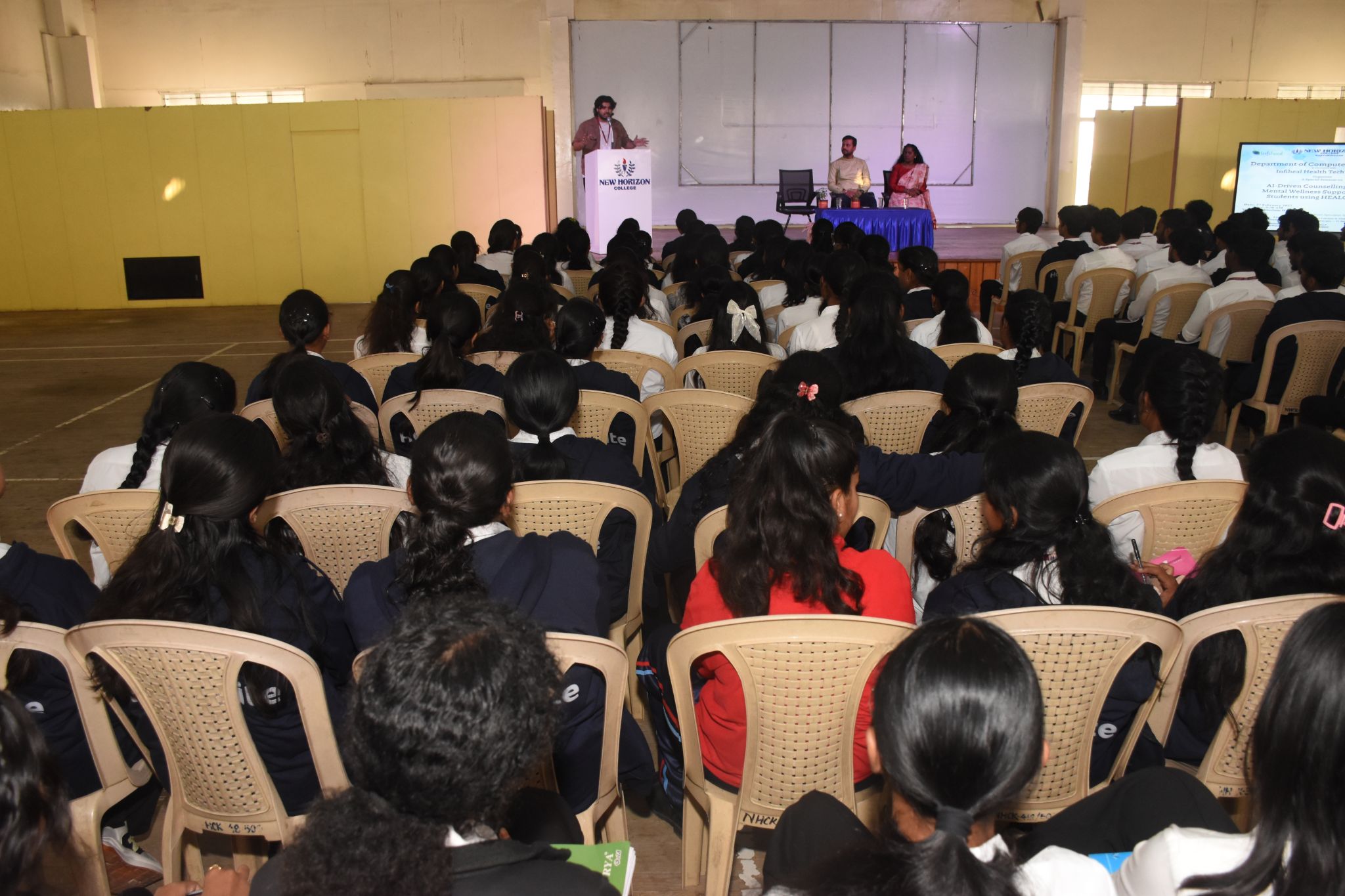
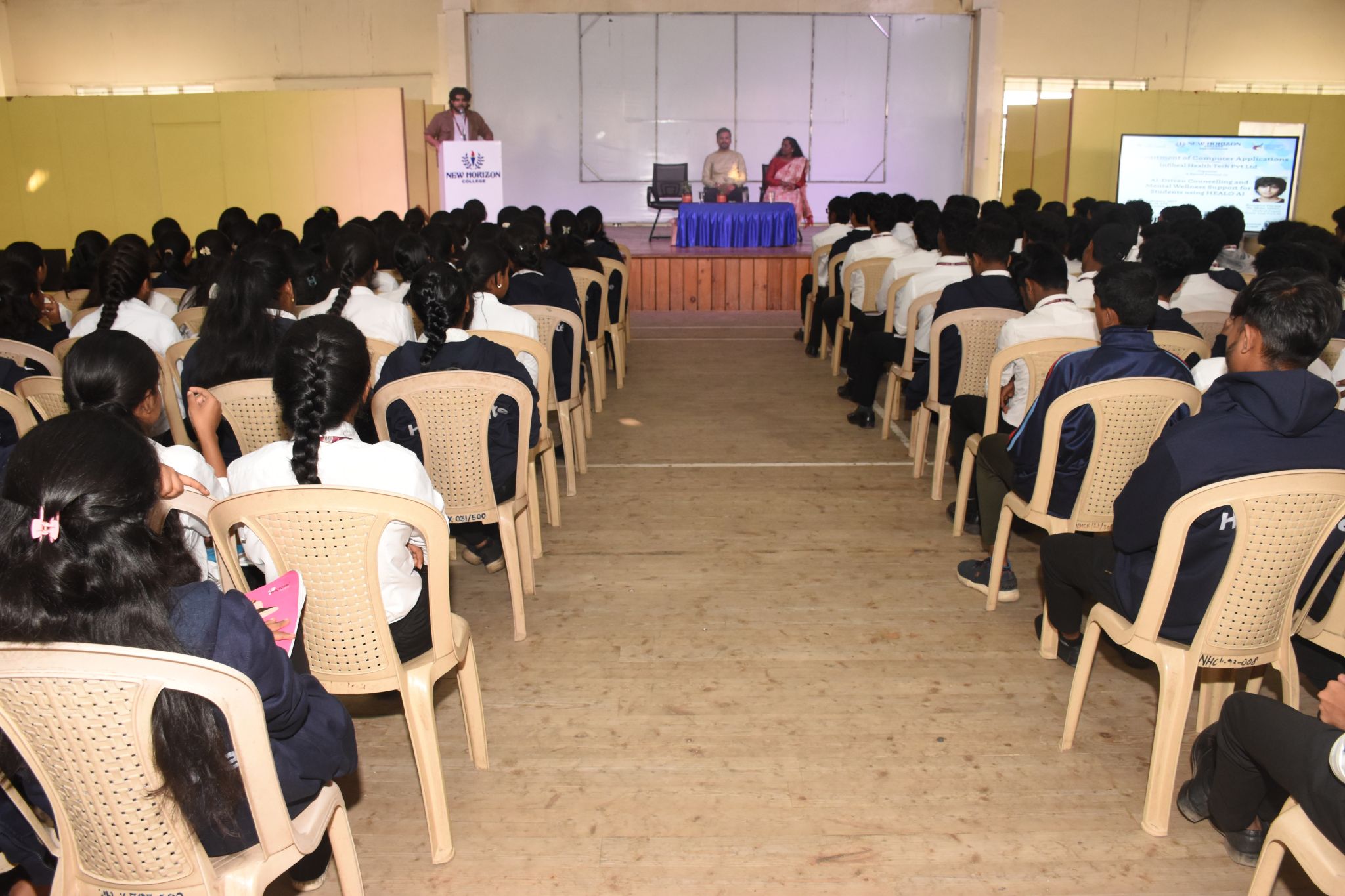
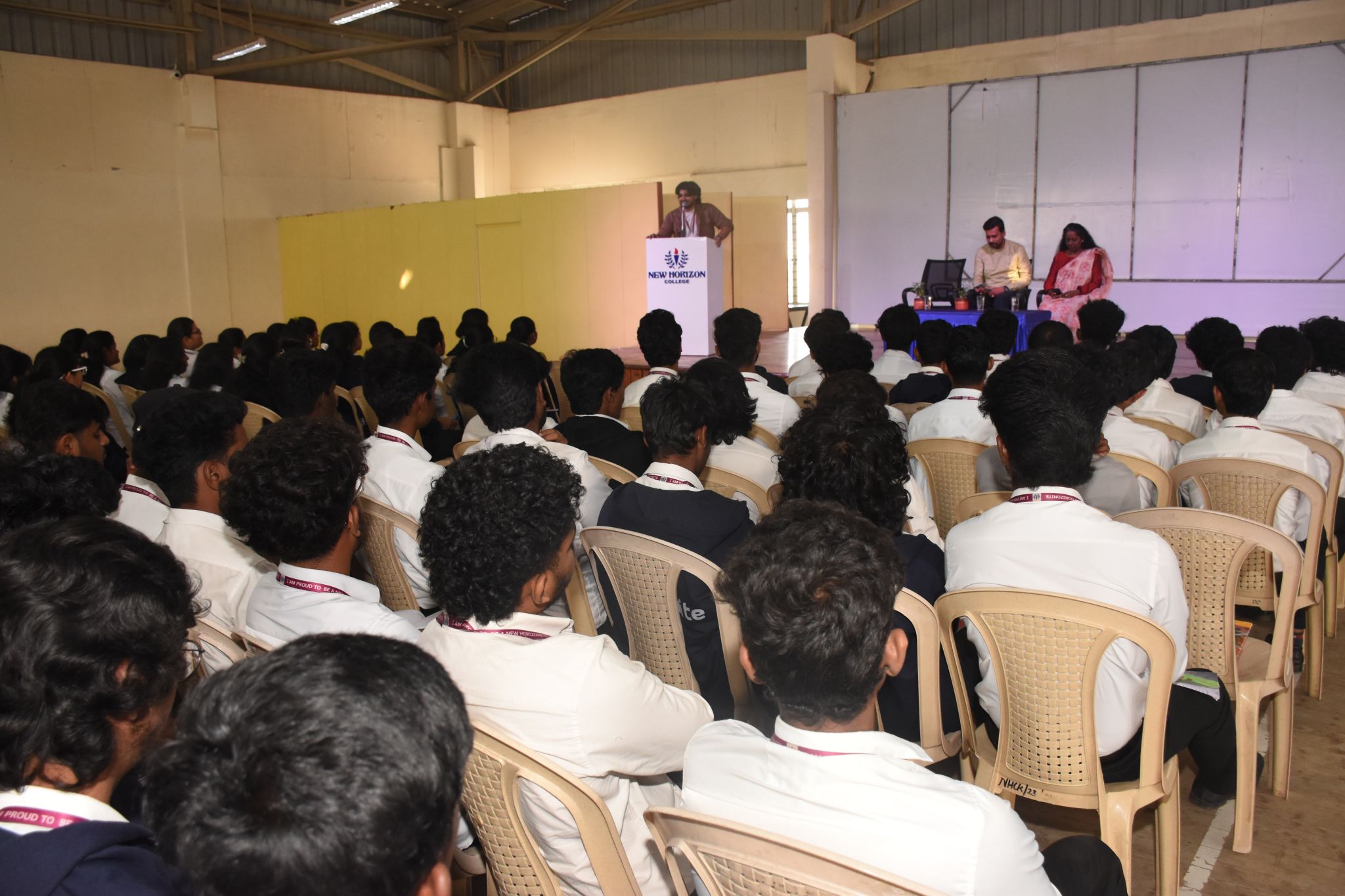
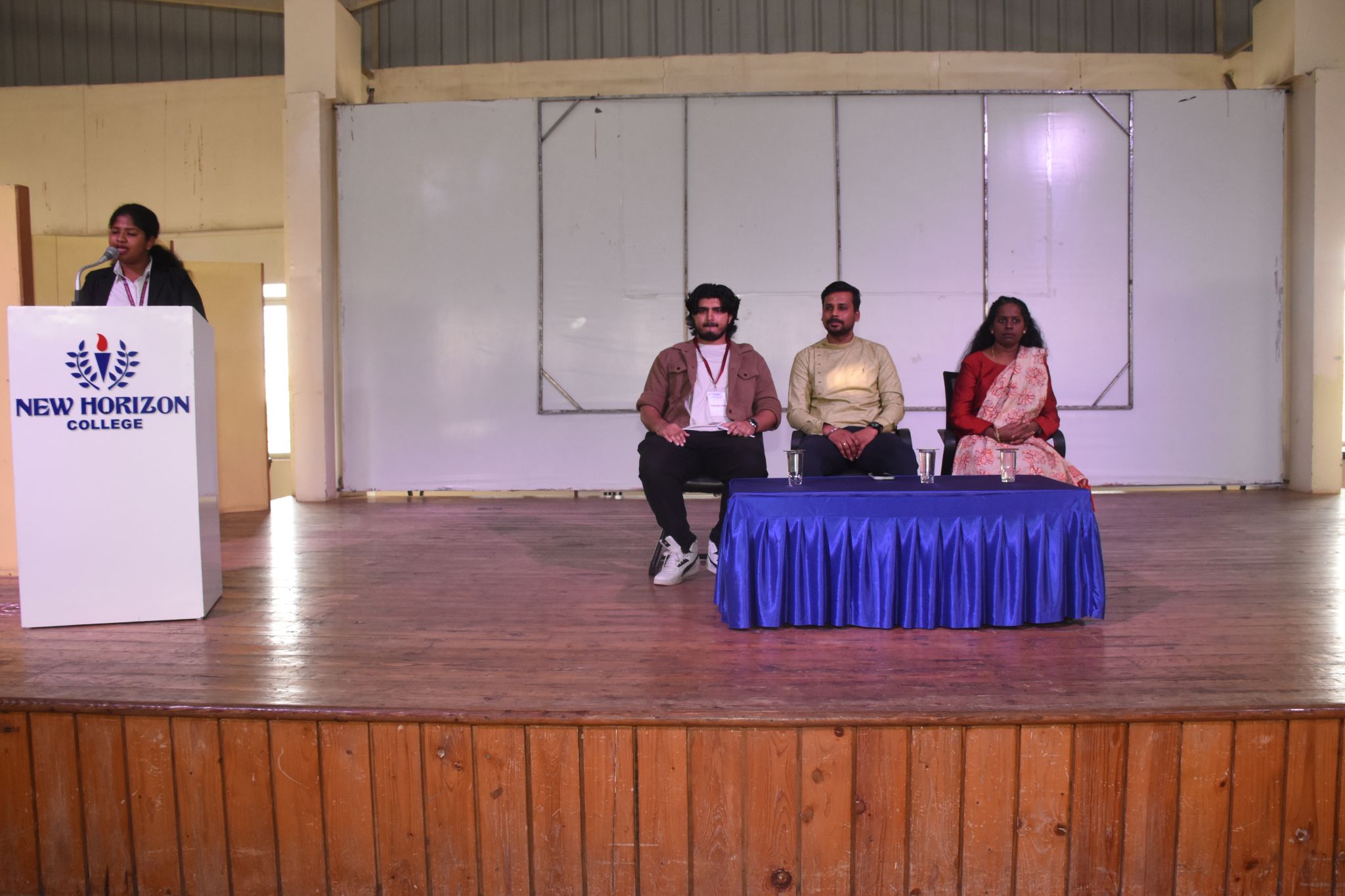
Infiheal was recently invited to host a seminar at New Horizon College of Engineering, Kasturinagar, centred on something the team engages with every single day: student mental health and the very real pressures that come with academic life. The session opened up a conversation that students rarely get a dedicated space to have, one that went well beyond deadlines and exam stress into the quieter, harder-to-name pressures that build up silently over time.
A Conversation Students Rarely Get to Have
The discussion moved through territory that is familiar to almost every student, yet rarely spoken about directly. The overthinking that follows a bad grade. The career doubts that show up uninvited, often at the worst possible moments. The social comparisons that are difficult to switch off, especially in an environment built around constant evaluation and visible achievement. What stood out was not just the topics themselves, but the honesty with which they were addressed, and how immediately the room responded to that honesty.
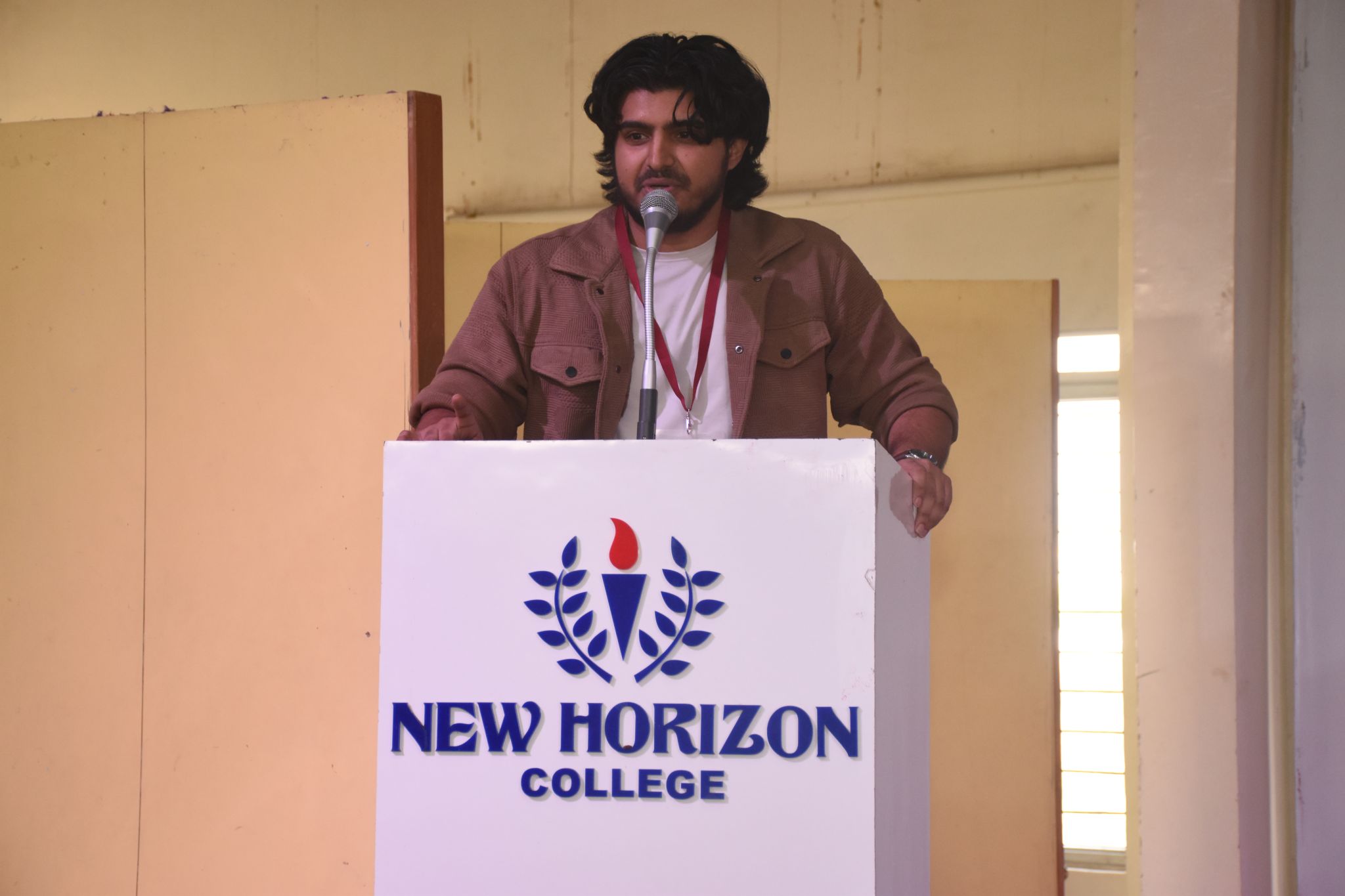
Dr. Idriss Shariff and Pradeep Kumar G led the conversation with a level of care and openness that set the tone for the entire session, creating the kind of environment where students felt comfortable being candid rather than performative. One moment in particular, around peer pressure, stayed with the Infiheal team afterward. Peer pressure rarely announces itself loudly. More often, it shows up as a quiet sense that everyone else seems to have things figured out, paired with a creeping uncertainty about why you do not. Left unaddressed, that feeling has a way of spiralling further and longer than most people expect, often without anyone around even noticing.
Moving From Awareness to Action
That moment set up exactly why the second half of the session mattered as much as it did. The conversation deliberately shifted from naming the problem to talking through what it actually looks like to do something about it in practical terms. Seeking help. Speaking with a counsellor. Treating mental wellbeing with the same intention, structure, and consistency students already bring to their academics. Not dramatic gestures or one-time fixes, but responsible, small steps, taken consistently over time, the same way any meaningful change tends to happen.
The session also touched on the role technology, including AI, can play in supporting that process. Not as a replacement for human connection or professional care, but as a quiet, accessible layer that helps students organise their thoughts, track patterns in how they're feeling, and reduce some of the daily mental noise that tends to build up unnoticed until it doesn't. For students looking for a more structured space to begin that process, tools like Healo offer a way to understand what they are carrying, explore support entirely at their own pace, and access therapy when they feel genuinely ready for it, without pressure or judgment.
Why Sessions Like This Matter
Student life carries a kind of pressure that gets normalised simply because everyone going through it assumes it must just be part of the deal. It rarely is, and pretending otherwise only adds to the weight. Conversations like this one give students permission to name what they are actually feeling, and just as importantly, a starting point for doing something about it before it compounds further.
Infiheal is genuinely grateful to New Horizon College Kasturinagar for opening their doors to this conversation, and for the thoughtful coordination that went into bringing the entire session together seamlessly. The hope is to keep this dialogue going, with more sessions like this one across more campuses in the months ahead, because student mental health deserves far more than a single afternoon of attention.